
Familial Hypercholesterolaemia Support in Colkirk and Rural Norfolk
Familial hypercholesterolaemia support in Colkirk starts with one uncomfortable statistic: around one in 250 people in the UK carries the inherited gene variant, so a parish of a few hundred households almost certainly includes several affected families. Practical familial hypercholesterolaemia support matters more in rural Norfolk than in a city, because distance is added to every appointment — the nearest specialist lipid clinic sits well beyond a comfortable bus ride, and a 40-mile round trip turns a 20-minute consultation into half a lost day. This guide gathers what neighbours here have learned the hard way: how the condition passes down a family tree, what screening actually involves, which costs land on your own bank card, and where informal help exists between hospital visits. It is written for anyone who has just had an alarming cholesterol result, and for parents wondering whether their children should be tested too.
What Inherited High Cholesterol Means in a Village Like Colkirk
Familial hypercholesterolaemia (FH) is a fault in the way the liver clears low-density lipoprotein from the blood. It is not caused by butter on toast or a fondness for the pub carvery. People with the condition are born with LDL levels roughly two to three times higher than average and carry that load from childhood onwards.
The numbers give it away. An untreated adult with heterozygous FH typically shows total cholesterol above 7.5 mmol/L, with LDL over 4.9 mmol/L. Readings that high in someone slim, active and in their thirties point firmly towards genetics rather than diet, and should prompt a referral rather than another six months of watchful waiting.
Left untreated, the lifetime exposure adds up. Cardiovascular events can arrive decades early, sometimes in the forties for men and fifties for women. Treated properly and early, life expectancy is close to normal — which is precisely why identifying affected families quickly is the single most valuable thing a rural community can do.
Reading the family pattern before symptoms appear
Draw a simple family tree on the back of an envelope. Mark anyone who had a heart attack, stent, bypass or sudden death before 60. Two such relatives on the same side, plus a high reading of your own, is a strong signal. Tendon xanthomas on the Achilles or knuckles, and corneal arcus before 45, strengthen the case further.
Building Familial Hypercholesterolaemia Support Around Colkirk
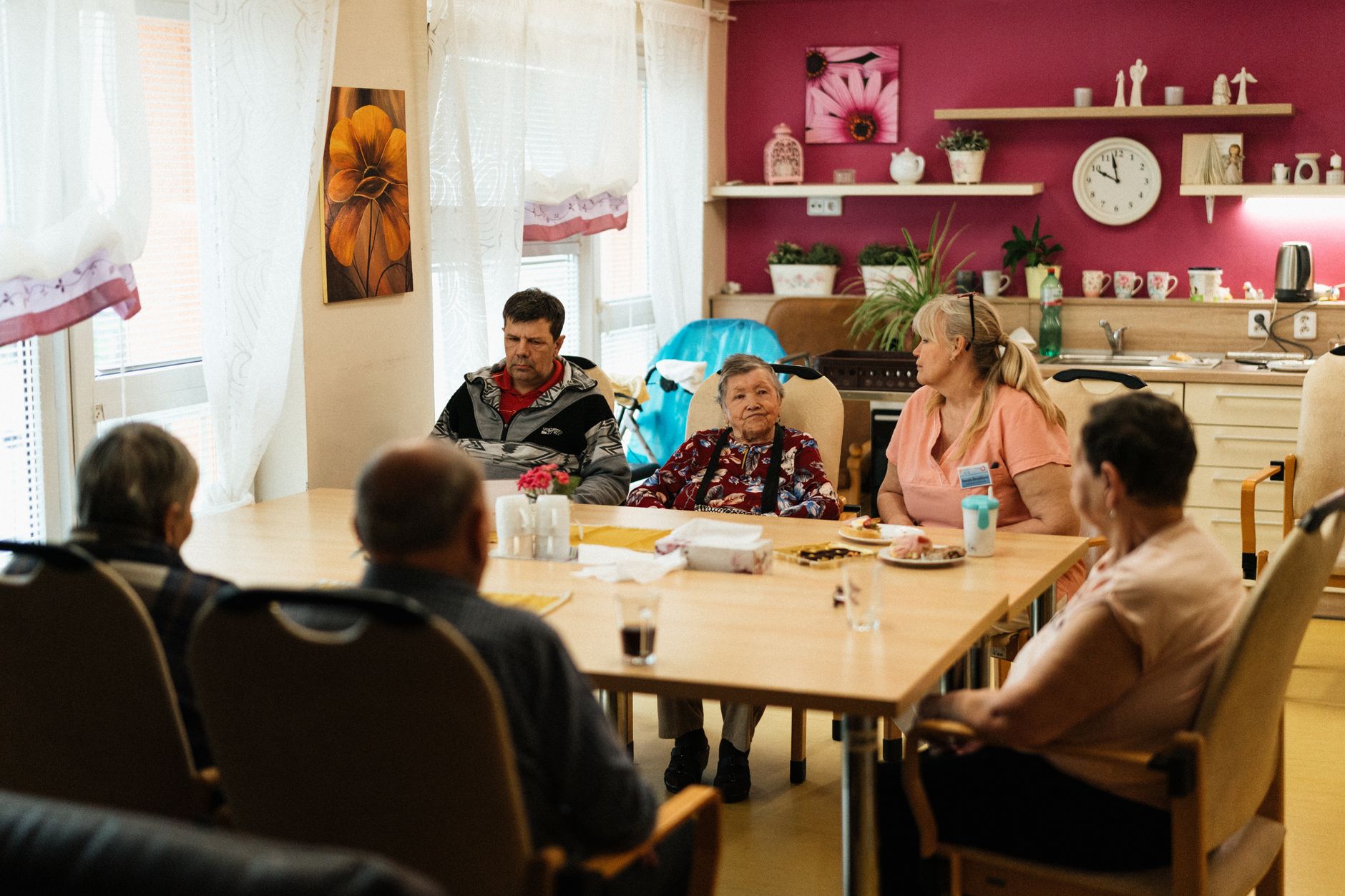
Formal services are thin on the ground out here, so most familial hypercholesterolaemia support in this area is assembled locally: a village hall session every few weeks, a shared lift rota to the hospital, and a WhatsApp group where people post which clinics are running late. None of it replaces medical care, but all of it reduces the friction that makes people drop out of treatment.
Transport is the practical bottleneck. A round trip to a Norwich or King’s Lynn clinic costs roughly £10 to £14 in fuel, or considerably more by taxi. Sharing a car between three households cuts that to a few pounds each and, more usefully, means nobody attends a difficult appointment alone.
The other half is information. Newly diagnosed people arrive with the same questions every time: whether they can still drink, whether their children will need medication, whether a statin will stop them running. Having someone eight years into treatment answer those questions plainly is worth more than any leaflet.
Screening, Statins and What It Costs in Pounds
Diagnosis follows a familiar path. A fasting lipid profile comes first, then a repeat test to rule out a one-off reading, then referral to a lipid specialist who may arrange genetic testing. The NHS route is free at the point of use; the private route buys speed rather than a different answer.
Treatment usually opens with a high-intensity statin — atorvastatin 20mg to 80mg, or rosuvastatin 10mg to 40mg — aiming to halve LDL. Ezetimibe 10mg is often added when the target is missed. For people who cannot reach target, injectable options such as evolocumab, alirocumab or twice-yearly inclisiran are available through specialist clinics.
The costs below give a realistic picture of what families in this area actually spend, whether they go through the NHS or pay privately for speed.
| Item | Typical UK cost | Notes |
|---|---|---|
| NHS lipid clinic referral | £0 | Waits of several months are common in rural catchments |
| Private lipid panel | £45 to £95 | Results in two to five working days |
| Private genetic testing | £300 to £600 | Free on the NHS where FH criteria are met |
| Prescription charges | Around £10 per item | An annual prepayment certificate is cheaper for multiple medicines |
| Private dietitian session | £60 to £120 per hour | Useful for households cooking for mixed needs |
| Plant sterol spreads and drinks | £3 to £5 per week | Lowers LDL by a few per cent, not a substitute for statins |
Everyday Habits: Walking, Weight and Choosing the Right Dog
Medication does the heavy lifting, but daily movement still shifts blood pressure, weight and triglycerides. The realistic target is 150 minutes of brisk activity a week. In a village with quiet lanes and field margins, that is three or four half-hour walks — far easier to sustain than a gym membership 20 miles away.
A dog is the most reliable walking companion most people ever find, and plenty of members here credit theirs with keeping them consistent. The catch is breed choice. Somebody who needs 45 minutes of steady, heart-rate-raising walking every day is poorly served by a flat-faced breed that stops panting after ten minutes on a warm afternoon.
That distinction rarely appears in a classified advert. A listing headed french bulldog puppy for sale uk looks identical in tone to one for a working spaniel, yet the two dogs will deliver completely different amounts of exercise over the next decade. Matching the animal to your actual health goal is worth an hour of research before any deposit changes hands.
Why searches like puppy for sale french bulldog deserve a second thought
Typing puppy for sale french bulldog into a phone at eleven at night is how a lot of impulse purchases begin. The breeds below are the ones people in this group most often ask about, with the practical exercise reality attached to each.

- Adverts for a french bulldog puppy for sale, or a blue french bulldog puppy for sale at a premium, describe a brachycephalic dog that struggles in heat and rarely manages long daily walks.
- A search for an english bulldog puppy for sale near me or a british bulldog puppy for sale near me returns similar constraints, plus a higher likelihood of surgical airway costs.
- Listings for a mini bulldog puppy for sale or a puppy bulldog for sale near me often describe crossbreeds with unpredictable health outcomes and no established breed standard.
- An american bulldog puppy for sale near me is a genuinely athletic animal by comparison, but needs firm handling and space that a small cottage garden will not provide.
- The typical french bulldog puppy price uk sits between £1,500 and £3,000, with rarer colours advertised well above that, before insurance of roughly £40 to £90 a month.
Anyone still set on the breed should scrutinise the seller rather than the photographs. A responsible listing for a puppy french bulldog for sale shows health-tested parents, a BOAS grading and the mother present with the litter. Adverts phrased as puppy french bulldog for sale uk with immediate delivery and no viewing are the ones to walk away from.
Cascade Testing: Talking to Children, Siblings and Cousins
Each first-degree relative of someone with FH has a 50 per cent chance of carrying the same variant. Cascade testing works outwards from a confirmed diagnosis, and it is the most cost-effective screening programme the NHS runs for this condition. One diagnosis frequently uncovers three or four more within the same extended family.
Children can be tested from around the age of ten, sometimes earlier where a parent has homozygous FH. Treatment in childhood is usually a low-dose statin, and the evidence for starting early is strong: cumulative LDL exposure, not a single reading, is what damages arteries over decades.
The conversation itself is often the hardest part. Relatives may hear a genetic diagnosis as blame, or dismiss it because they feel perfectly well. Framing it as a simple blood test that either rules them out or gives them 30 years of warning tends to land better than statistics about heart attacks.
How Do I Arrange Familial Hypercholesterolaemia Support if I Live Outside a Town?
Start with your GP surgery and ask specifically for a referral to a lipid clinic, using the words familial hypercholesterolaemia rather than high cholesterol. The distinction changes which pathway you enter and how quickly you are seen, and it flags your family for cascade testing.
Ask at the same appointment whether reviews can be done by telephone or video once you are stable. Many clinics allow this, which removes several long journeys a year and makes it far more likely you will keep attending over the long term.
Then build the local layer around it. A shared lift rota, a village hall meeting every six weeks and a group chat cost nothing to organise, and they solve the isolation problem that formal services in a rural catchment simply are not designed to address.
Is a High Cholesterol Reading Always Inherited?
No. Most raised readings reflect a combination of diet, weight, alcohol, inactivity and age, and those respond well to changes in habit. The pattern that suggests something inherited is a persistently high LDL in someone who is otherwise healthy, particularly under the age of 40.
Other causes need ruling out first. An underactive thyroid, kidney disease, poorly controlled diabetes, pregnancy and certain medications all push cholesterol upwards, and a competent clinician will check those before reaching for a genetic explanation.
The strongest clue remains the family history. Early heart disease in parents, grandparents, aunts or uncles, combined with a total cholesterol above 7.5 mmol/L, moves the probability sharply towards FH and justifies asking for a specialist opinion rather than accepting a diet sheet.
What Lifestyle Changes Make the Biggest Difference Alongside Medication?
Replacing saturated fat with unsaturated is the highest-yield dietary change, typically lowering LDL by 5 to 10 per cent. That means rapeseed or olive oil instead of butter and lard, oily fish twice a week, and treating processed meats as occasional rather than daily.
Soluble fibre earns its place too. Oats, beans, lentils and apples add up to a modest but genuine reduction, and around 30g of fibre a day is achievable without anything exotic. Plant sterol spreads add a few more percentage points for a couple of pounds a week.
Stopping smoking outranks everything else on this list, because it removes a multiplier rather than a small increment. Add regular brisk walking, keep alcohol within 14 units a week, and the combined effect meaningfully improves what the statin is already doing.
