
How to Organise a Beach Clean: A Practical Coastal Guide
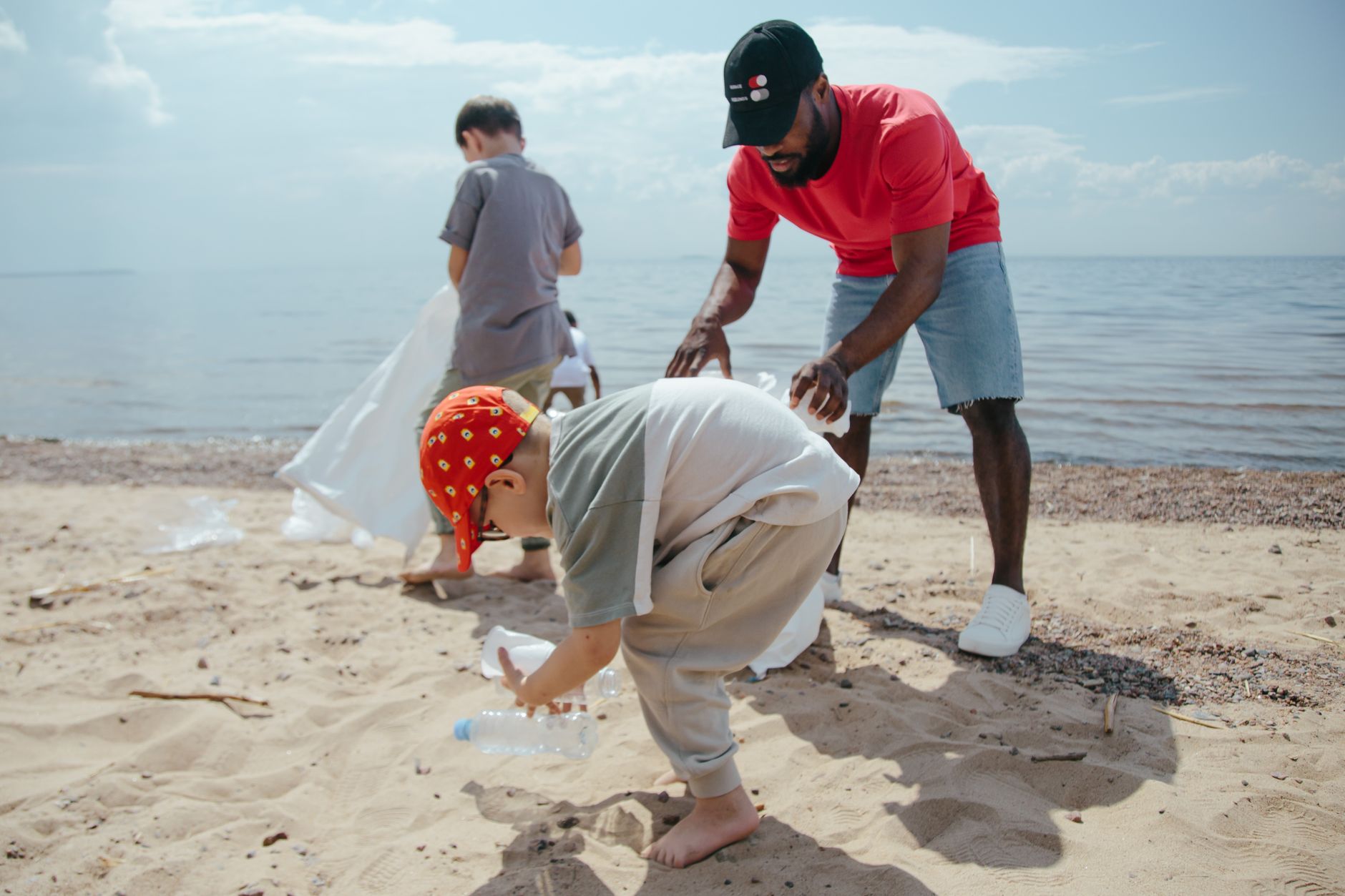
Learning how to organise a beach clean is one of the most direct ways to improve a stretch of coastline that thousands of people share every summer. A successful session needs three things — a safe site, enough hands, and a plan for the rubbish once it is bagged — and knowing how to organise a beach clean around those three pillars turns a vague good intention into a repeatable community fixture. Along the north Norfolk coast, two hours with 25 volunteers routinely lifts 40 to 60kg of plastic, rope, fishing line and drinks containers from a single kilometre of shore. The logistics are far less daunting than most first-time organisers expect: no charity registration, no licence fee in most cases, and a kit list you buy once rather than every time. This guide covers tides, permissions, risk assessment, equipment budgets, promotion, waste disposal and how to keep people coming back.
Planning Around Tides, Access and Nesting Seasons
Start with the tide, not the date. A falling tide exposes the strandline where the bulk of litter collects, so schedule the two hours immediately after high water rather than a fixed Saturday morning. Tide times shift roughly 50 minutes each day, which means a rigid monthly slot will drift out of usefulness within a fortnight.
Pick a defined stretch. Between 800 metres and one kilometre suits 20 to 30 people comfortably. Anything longer spreads volunteers thin and leaves the sweep looking half finished. Mark the start and end points with a vehicle and a flag, and choose a car park with toilets within a five-minute walk of your meeting point.
Two hours is the sweet spot for attendance. Past that, numbers thin out and children lose interest entirely. Aim for a 10am start in summer and 11am in winter, once frost has lifted from the slipway. Publish a wet-weather policy on every poster and confirm the decision by 8am on the day.
Between April and August, sections of coastline are roped off for little tern and ringed plover nesting. Contact the site warden six weeks ahead and agree a route that stays seaward of the fencing. Dog-friendly sessions attract noticeably more families, so state that policy clearly wherever you advertise.
Permissions, Landowners and Parish Council Backing
Most UK beaches sit with a local authority, the Crown Estate, a wildlife trust or a private estate. A single email naming the date, the stretch, expected numbers and your insurance position usually secures written permission within a fortnight. Keep that reply somewhere accessible, because the council waste team will almost certainly ask to see it.
Your parish council is the fastest route to local legitimacy and a modest grant. Parish council meeting rules UK-wide require agendas to be published three clear days ahead, so submit your request a full week before the meeting and ask for five minutes during public participation rather than turning up unannounced.
Grants of £100 to £400 for equipment are common from parish precepts. If you want an indoor briefing or a hot drink afterwards, village hall hire cost UK committees quote typically runs £8 to £15 an hour, and many waive the fee altogether for a constituted volunteer group that credits the hall on its publicity materials.
Insurance without incorporation
You do not need to know how to set up a charity to run a beach clean. Joining an established national campaign, or affiliating formally to your parish council, usually brings public liability cover of around £5 million at no cost to you. Get written confirmation that your specific session is named on that policy.
Kit, Budget and Safety on the Day
Buy litter pickers rather than borrowing them. The standard 32-inch aluminium grabbers cost around £8 each and last three or four seasons of salt exposure. Bag hoops are the single best upgrade you can make, because they stop volunteers wrestling with flapping sacks in a stiff onshore wind.
| Item | Quantity for 25 volunteers | Typical cost |
|---|---|---|
| Litter pickers, 32-inch | 20 | £160 |
| Bag hoops | 15 | £120 |
| Heavy-duty sacks | 200 bags | £25 |
| Rigger gloves, mixed sizes | 30 pairs | £45 |
| First aid kit and sharps box | 1 set | £35 |
| Hi-vis tabards for marshals | 6 | £30 |
Brief everyone for three minutes before they spread out: no glass handled with bare hands, no needles, no drums or containers holding residue, and nothing disturbed above the strandline in dune systems. Two nominated people carry the first aid kit and sharps container. Everyone else works in pairs, never alone.
Separate recyclables at source. A third bag reserved for plastic bottles and aluminium cans adds perhaps ten minutes to the session and roughly doubles the proportion the council can actually process. Rope, netting and broken fish boxes go into a separate heap for a van run instead of splitting your sacks.
Recruiting Volunteers and Filling the Beach
Twenty-five volunteers is a realistic ceiling for a first event, and experience suggests you need around 60 expressions of interest to get there. Post on the parish social media group, the shop window, the pub noticeboard, and the same village board that carries how to become a school governor adverts.
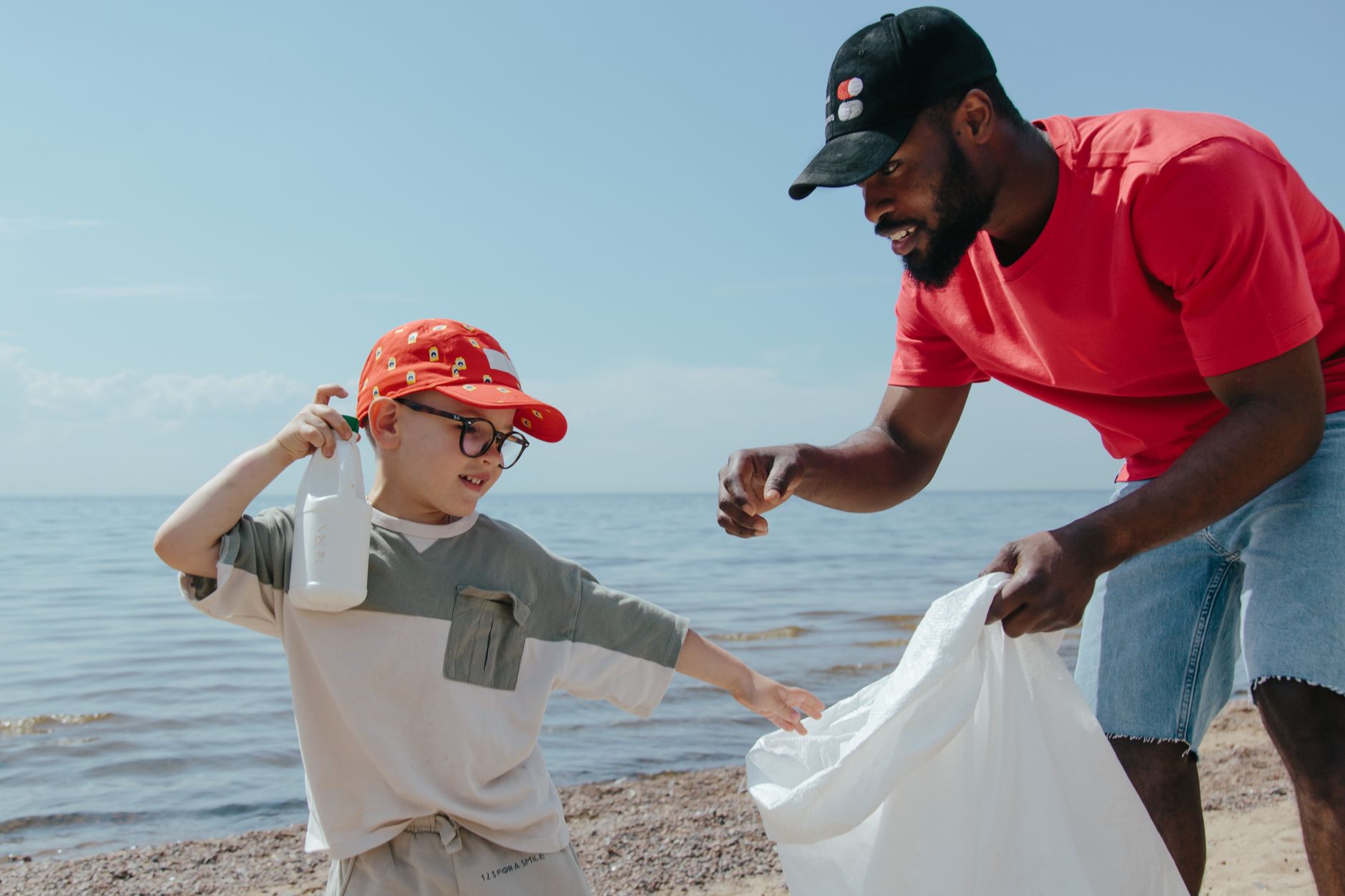
Anyone who has looked into how to volunteer at food bank sessions locally already understands the rhythm: a sign-in sheet, a named coordinator, and a clear finish time. Reuse that model exactly. A simple form capturing name, mobile number and emergency contact takes 90 seconds at the car park and covers you properly.
Schools, scout groups and the local sailing club deliver numbers far more reliably than open invitations. If you have ever read a neighbourhood watch scheme how to start guide, the recruitment pattern will look familiar — one champion per street or per group, cascading messages down chains that already exist rather than shouting into an empty feed.
Turning a clean into an event
Anyone who knows how to run a village fete already has the transferable skills: a gazebo, a tea urn, 60 cups and a small raffle turn a chore into a genuine morning out. Charge nothing for attendance, but put a bucket out. Donations of £70 to £120 typically cover sacks and gloves for three further sessions.
After the Clean: Disposal, Data and Momentum
Agree the uplift before you begin. Most councils will collect from a named point if you book two weeks ahead, and they are entitled to refuse an unannounced pile of 30 sacks left beside a car park. Photograph the full haul with a person beside it for scale.
Record what you find rather than just weighing it. Counting wet wipes, cotton bud sticks, dog waste bags and drinks lids across four consecutive sessions builds genuine evidence for your parish council and the water company. Twelve months of consistent counts is usually enough to get a bin resited or emptied more often.
Usable finds — buckets, bodyboards, intact crates — go to the school or the scout hut. Textiles are a different matter, because sea-damaged fabric is refused everywhere. Donating clothes to charity UK shops will genuinely resell means items that are clean, dry and bagged; even the best charity shops in London reject salt-stained material outright.
Momentum matters more than size. Book the next date before anyone leaves the beach, and give two or three regulars a defined job title so responsibility does not sit with one person. A tidy-up group is a natural springboard into starting a community garden UK councils will lease land for, or a repair café.
Use your volunteer list for wider community work too. Explaining a community fridge how it works, who stocks it and who may take food from it takes two minutes at a parish meeting. The UK food bank referral process — a voucher issued by a school, GP or council team — is worth understanding for exactly the same reason.
How much does it cost to organise a beach clean?
A first session for 25 people costs roughly £400 to £420 in one-off equipment, dominated by 20 litter pickers at around £8 each and 15 bag hoops at approximately £8 each. Consumables are minor: 200 heavy-duty sacks run about £25, and 30 pairs of rigger gloves around £45. Refreshments add £20 to £30 if you brew tea yourself rather than buying in. Every subsequent session then costs under £40, because the pickers, hoops and tabards last several seasons with a freshwater rinse after each use. Parish grants of £100 to £400 commonly cover the entire start-up outlay, and a donation bucket at the first event typically raises £70 to £120 towards replacements.
Is permission needed to organise a beach clean on a public beach?
In practice, yes, and getting it is straightforward. Even where public access rights exist, the landowner — usually a district council, the Crown Estate, a wildlife trust or a private estate — needs to know that a group of 25 people will be on site, so that emergency services, wardens and waste teams are not caught unaware. Send one email six weeks ahead naming the date, the exact stretch, expected numbers and your public liability arrangement. Written permission normally arrives within two weeks and doubles as the document the council waste team will request before agreeing a collection point. During bird nesting season, permission may come with a mandatory route that keeps volunteers seaward of fenced areas.
What should volunteers do with sharp or hazardous items?
Nobody picks up a needle, a syringe, a chemical drum, a gas canister, a flare or any sealed container with liquid inside. Those items get marked with a stick or a cone, their location noted, and reported to the local authority environmental team or the coastguard for flares and ordnance. Broken glass goes into a rigid bucket rather than a sack, using a picker and never gloved hands, because glass slices through plastic sacks and cuts whoever lifts them. Dead marine animals and large tangled netting containing wildlife also stay put and get reported. Brief all of this in the three-minute talk before anyone spreads out, and make sure two nominated marshals carry the first aid kit and a sharps box between them.
