
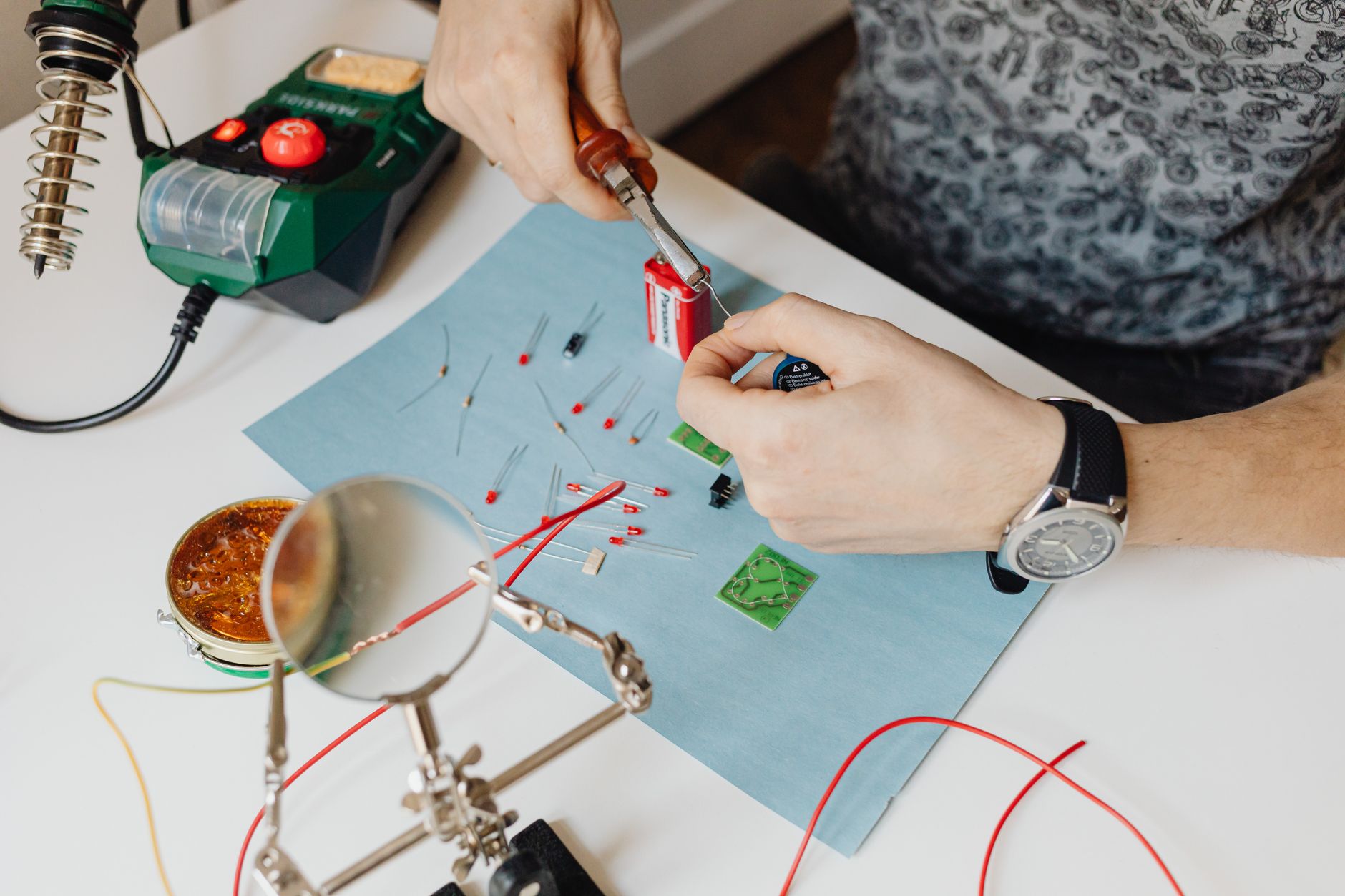
How to Start a Repair Cafe in Your Village or Town
Learning how to start a repair cafe is one of the most practical things a small community can do with a spare Saturday morning. A repair cafe is a free, volunteer-run session where residents bring broken toasters, torn coats, wobbly chairs and dead lamps, and skilled neighbours help fix them rather than bin them. The model began in Amsterdam in 2009 and has spread to more than 2,500 groups worldwide, with several hundred running across the UK in village halls, libraries and church rooms. Setting one up costs far less than most people expect: a starter budget of £250 to £600 covers insurance, a basic tool kit, PAT testing equipment hire and tea. What it really needs is four or five reliable fixers, one organiser who answers emails, and a venue with power sockets, tables and a kettle.
Test the Demand Before You Book a Hall
Start with evidence, not enthusiasm. Post a short survey on the village Facebook group asking what people currently throw away: kettles, vacuum cleaners, jeans, garden shears. Fifty replies in a fortnight from a parish of 900 residents is a strong signal. Under twenty replies suggests you need a partner organisation first.
Take the idea to your parish council. Under parish council meeting rules uk, members of the public may speak during a designated open session, usually limited to three minutes each, and agenda items must be published three clear working days in advance. Ask the clerk to add you formally rather than raising it informally.
Talk to whoever already gathers people locally: the WI, the men’s shed, the Scout group, the library. Anyone who knows how to run a village fete knows where the trestle tables live, who owns a gazebo, and which weekend clashes with the county show. That practical knowledge will save you months of guesswork.
Finding Your First Five Fixers
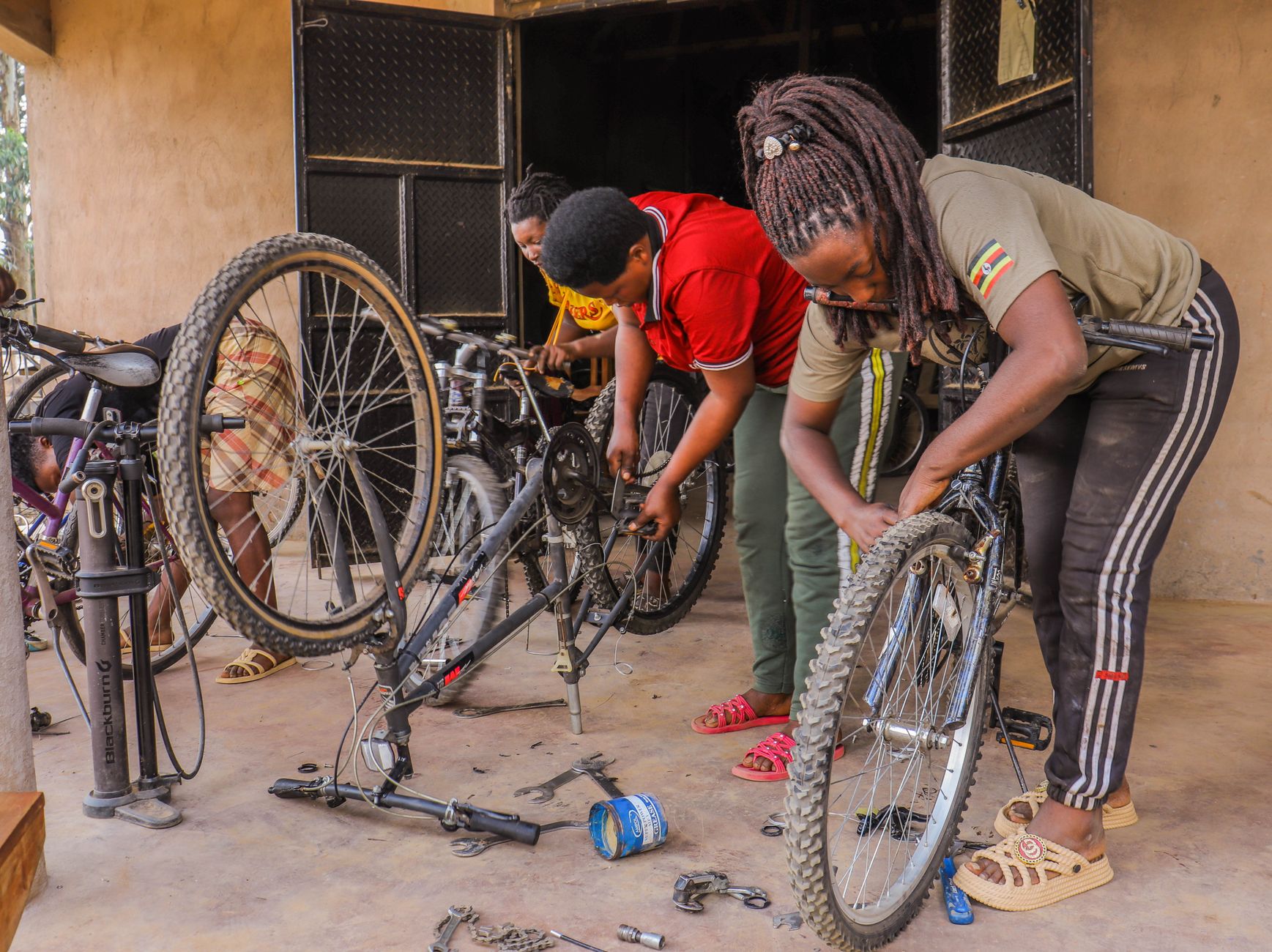
Aim for five distinct skills: small electricals, textiles and sewing, wooden furniture, bicycles, and general mechanical items. Retired electricians, curtain makers, and the person who resoles their own boots are your core team. Village noticeboards and repair-minded local Facebook groups usually deliver three volunteers within a month.
Interview informally over coffee. Ask what they refuse to touch — microwaves, gas appliances, anything with a sealed lithium battery. Good fixers set their own limits, and a written skills list stops you promising a visitor something nobody present can actually deliver on the day.
Venue, Layout and What It Actually Costs
Your biggest variable is the room. Village hall hire cost uk ranges from £8 an hour in a small parish hall to £35 an hour for a modern community centre with parking and a commercial kitchen. Many trustees waive or halve the fee for a free community service, so always ask.
Check three practical things before signing anything: the number of double sockets, whether tables will tolerate a soldering iron, and step-free access from the car park. A three-hour session needs at least six 13-amp sockets. Extension reels are acceptable, but the hall’s own electrical certificate matters if trustees query your setup.
Budget conservatively for the first year and treat donations as a bonus rather than income. A monthly session for a village of 1,000 to 3,000 people typically breaks even by the third or fourth date. The figures below reflect what small UK groups actually spend rather than best-case estimates.
| Item | Typical UK cost | Notes |
|---|---|---|
| Hall hire, 3 hours monthly | £24 to £105 per session | Often reduced for community groups |
| Public liability insurance | £80 to £200 per year | £5 million cover is standard for hall bookings |
| PAT tester | £120 to £300 one-off | Entry-level pass or fail units are adequate |
| Starter tool kit | £150 to £400 one-off | Multimeter, soldering station, screwdriver sets |
| Refreshments and printing | £15 to £30 per session | Usually covered by the donation jar |
Kit You Buy Once
Buy shared equipment gradually, beginning with the items fixers cannot easily carry from home. Most volunteers arrive with their own favourite screwdrivers, so spend your money on the specialist gear that benefits everyone at the bench.
- Digital multimeter — £25 to £60
- Soldering station with adjustable temperature — £40 to £90
- Pass or fail PAT tester — £120 to £300
- Serviced second-hand sewing machine — £60 to £150
- Precision screwdriver and torx set — £20 to £45
Store everything in two wheeled toolboxes so setup takes fifteen minutes rather than an hour. Label each box, photograph the contents, and appoint one person as keeper of the kit. Shared ownership without a named custodian is how community equipment quietly disappears.
Insurance, Safety and Whether You Need to Register
Two documents keep a repair cafe safe. Public liability insurance with £5 million cover, priced at £80 to £200 annually through community-group specialists, is required by most hall trustees. A visitor disclaimer, signed at the welcome desk, records that repairs are voluntary, unguaranteed and carried out at the owner’s own risk.
How to set up a charity is a question most new groups can safely defer. An unincorporated association with a one-page constitution, a bank account and two signatories is sufficient below £5,000 annual income. Formal registration, or a charitable incorporated organisation, becomes worthwhile only when you start applying for four-figure grants.
Safety practice matters more than paperwork. Anyone planning how to start a repair cafe should insist the owner stays beside their item throughout, that every mains appliance is PAT tested before it leaves the building, and that fixers record each job on a simple log sheet showing outcome and time spent.
Recruiting Volunteers and Keeping Them
People who have already asked how to volunteer at food bank sessions, or looked into how to become a school governor, are searching for structured local roles and make your warmest audience. Give each person a title — greeter, queue manager, tea, triage, fixer, data recorder — and a two-hour shift rather than an open-ended commitment.
Recruit through existing networks instead of cold posters. Anyone who has researched neighbourhood watch scheme how to start guidance understands street-level coordination, and those schemes hold contact lists covering entire lanes. One well-placed email to a scheme coordinator reaches more households than a fortnight of shop-window cards.
Partnerships also bring visitors. Your local food bank operates a voucher-based uk food bank referral process through schools, GPs and health visitors, and those same referral partners can point struggling households toward a free repair session. A working vacuum cleaner or a mended school coat carries genuine household value.
Running the Day and Growing Beyond Repairs
Run each session in three lanes: a welcome desk recording name, item and fault; a waiting area with tea and biscuits; and the repair benches themselves. Allow roughly 40 minutes per item and cap the queue at eighteen for a three-hour session. Publishing the cut-off time on the door prevents disappointment.
Once the rhythm settles, sharing the venue multiplies its value. Understanding community fridge how it works — surplus stock from bakeries and supermarkets, open access, daily temperature logs — shows how neatly a second project sits alongside repairs, much as starting a community garden uk on adjoining land extends the same volunteer base.
Everyone who has looked into how to start a repair cafe eventually meets the neighbours running other schemes. Coordinate with them: a joint stall at the summer fair, a donating clothes to charity uk collection point beside the welcome desk, or a swap table curated like the best charity shops in london rather than a jumble.
How Much Does It Cost to Start a Repair Cafe?
Most groups launch on £250 to £600. The unavoidable costs are public liability insurance at roughly £80 to £200 a year, hall hire between £8 and £35 an hour, and a shared tool kit. Anyone working out how to start a repair cafe on a tight budget can cut that figure sharply: fixers usually bring their own tools, halls frequently waive fees for free community services, and a borrowed PAT tester removes the largest single purchase. Running costs then settle at £30 to £120 per session, and a donation jar averaging £2 to £4 per visitor typically covers them from the third month onwards.
Is a Repair Cafe Legally Allowed to Fix Electrical Items?
Yes, within sensible limits. Volunteers across England, Scotland, Wales and Northern Ireland may repair mains-powered domestic appliances provided the work is unpaid, the owner remains present, and a disclaimer is signed before work begins. Every repaired appliance should pass a portable appliance test before leaving the room. Most groups refuse gas appliances, microwave ovens, anything with a sealed lithium battery, and hardwired installations. Your insurer lists exclusions explicitly, so read the policy schedule rather than assuming cover. Appointing one competent person — usually a qualified or retired electrician — to sign off every electrical repair satisfies insurers and hall trustees alike.
What Should You Do When an Item Cannot Be Repaired?
Roughly one item in four proves beyond economic repair, and handling that outcome well matters as much as a successful fix. Explain precisely why: obsolete parts, a cracked pressed-steel housing, or a sealed unit costing more to open than to replace. Log the reason, because that data strengthens future funding applications and local waste-reduction reporting. Offer a route onward — the household recycling centre’s small electricals bay, a scrap metal collection, or a parts donation to another fixer who needs the motor. For fabrics, point people toward textile banks and reuse shops. Visitors rarely leave disappointed when they understand the verdict and have a clear next step.
