

Allotment Waiting List How Apply: A Practical Village Guide
Allotment waiting list how apply is the phrase most Norfolk residents search the moment they decide to grow their own food, and the honest answer is that the paperwork is far simpler than the wait itself. Across small parishes like Colkirk, applications are handled by the parish council rather than a district authority, which means one clerk, one short form and a register that may hold anywhere between four and forty names. Understanding allotment waiting list how apply properly saves months of drift: writing to the wrong body, ignoring an annual confirmation email, or overlooking spare capacity in a neighbouring parish are the three mistakes that quietly push people to the back of the queue. This guide covers the paperwork, realistic timescales, the rents you should expect per rod, and what to do with your growing ambitions while the list moves.
How Allotment Waiting Lists Actually Work in Rural Norfolk
Allotment provision in England sits with parish and town councils under a long-standing statutory duty: where six or more registered electors request land, the council must consider providing it. In a village of fewer than six hundred residents, that duty usually translates into twelve to thirty plots, managed by volunteers rather than a staffed council department.
Waiting times vary wildly by geography. A Norfolk village list often moves within six to eighteen months, while urban boroughs quote four to eight years for the same size of plot. Turnover is the deciding factor, and most plots free up in autumn, when tenants decide whether they can face another season of couch grass and heavy clay.
Rural councils typically keep a single spreadsheet ordered strictly by application date, with priority given to parish residents over applicants from outside the boundary. Ask the clerk two questions: how many names sit ahead of yours, and how many plots were reallocated last year. Those numbers convert a vague wait into a workable estimate.
Allotment Waiting List How Apply: The Step-by-Step Route
Start with the parish council, never the district or county authority. Find the clerk’s contact details on the parish notice board or the council website, then send a short written request asking to be added to the allotment register. Keep a copy of that email, because its timestamp becomes your position in the queue.
The practical answer to allotment waiting list how apply runs to three steps: confirm the managing body, submit your details in writing, then reply promptly to the annual confirmation. Councils prune their registers every year, and an unanswered reminder is the single most common reason applicants quietly disappear from the list.
Agendas and minutes are public documents. The parish council meeting rules UK councils follow require papers to be published at least three clear days before a meeting, so reading the allotment item tells you about vacancies, rent reviews and boundary disputes weeks before any of it reaches the village newsletter.
What the Clerk Will Ask You For
Expect a light-touch form: name, address, telephone, email, preferred plot size and whether a half plot would suit you. Some councils ask for proof of residence, such as a council tax reference. Non-residents usually join a secondary list, allocated only once every parish applicant has been offered a vacancy.
Be realistic about capacity. A full ten-rod plot measures roughly 250 square metres and demands six to eight hours a week through summer. Requesting a half plot frequently shortens your wait, because clerks routinely split neglected full plots into two when they come back into council hands.
Rent, Deposits and Running Costs
Rural rents stay modest. A full plot in a Norfolk village typically costs £15 to £45 a year, against £60 to £170 on city sites with mains water, hard standing and secure fencing. A refundable key deposit of £10 to £25 is standard wherever gates or shared stores are locked.
| Item | Rural village | Town or city site |
|---|---|---|
| Full plot annual rent | £15 – £45 | £60 – £170 |
| Half plot annual rent | £8 – £25 | £35 – £90 |
| Refundable key deposit | £10 – £25 | £20 – £50 |
| Typical wait | 6 – 18 months | 2 – 8 years |
| Water supply | Trough or butts | Metered standpipes |
What to Do While Your Name Sits on the List
A waiting list is dead time only if you allow it to be. Community growing schemes accept newcomers immediately and the skills transfer directly to your future plot. Starting a community garden UK style, on a shared bed behind a church, school or village hall, costs little beyond seed, compost and a written agreement with the landowner.
Surplus produce needs a destination. A community fridge how it works poster on the village hall board explains the model in four lines: a shared, monitored fridge where anyone may leave or take food, checked daily by volunteers, governed by clear date-labelling and temperature rules that anyone can learn in an afternoon.
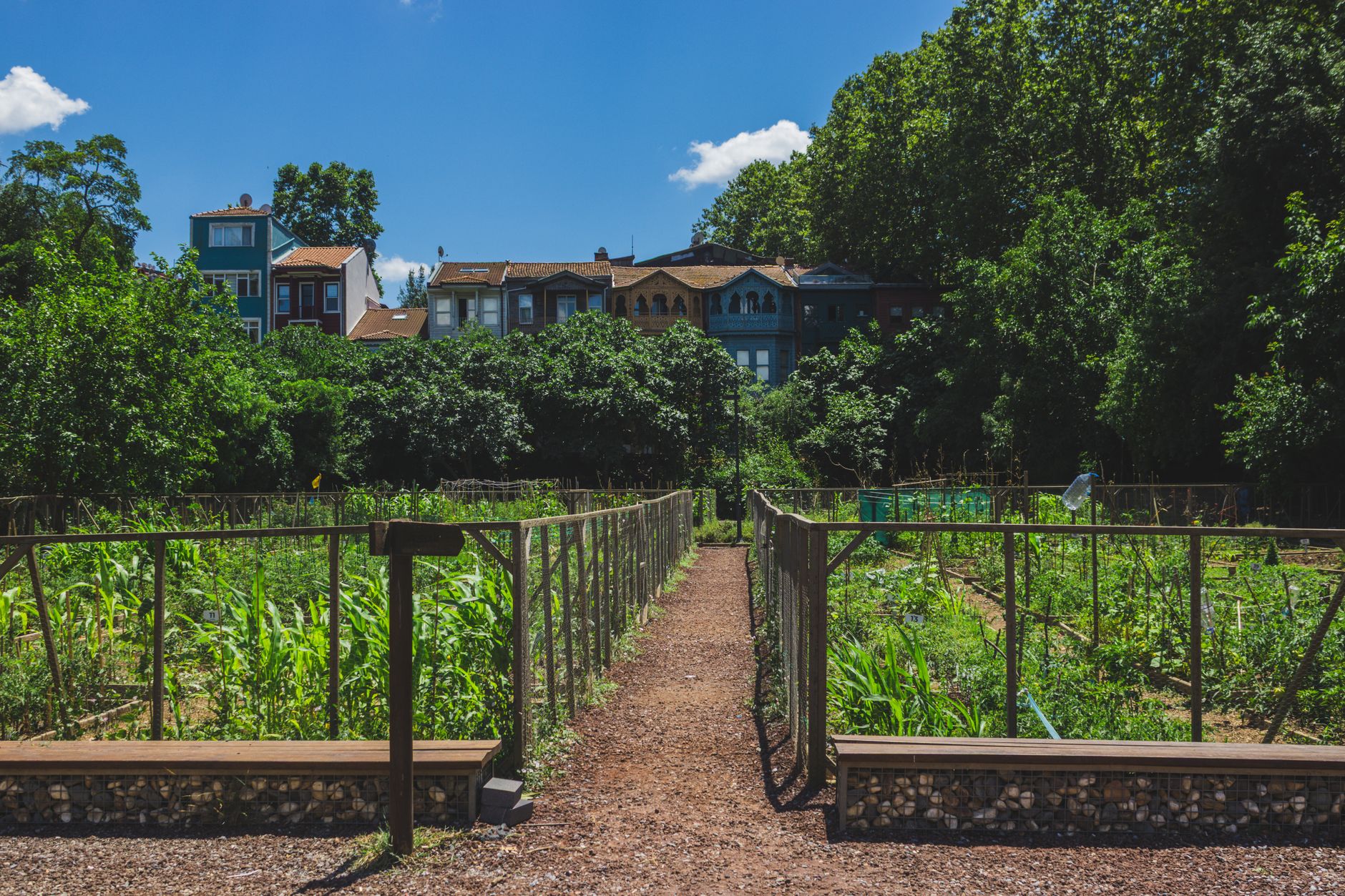
Food support and food growing overlap constantly. Anyone asking how to volunteer at food bank sessions in market towns such as Fakenham or Dereham will find sorting, driving and warehouse shifts advertised locally, and will soon understand the UK food bank referral process, where an agency voucher always precedes a parcel.
Your First Growing Year on the Plot
Plots are rarely handed over pristine. Budget £120 to £250 for essentials: a decent spade and fork, a hoe, a watering can, netting, canes and a compost bin. Second-hand tools turn up cheaply, and the best charity shops in London are famous for them, though Norfolk market-town branches match the prices.
Tenancy agreements carry real teeth. Standard clauses ban bonfires between spring and autumn, limit you to one shed and one greenhouse, prohibit subletting and require at least three quarters of the plot to remain cultivated. Two written warnings and a twenty-eight day notice period generally precede repossession of a neglected plot.
Plan the first season conservatively. Clear a third, cover the remainder with cardboard and membrane, then plant potatoes, courgettes, beans and onions, all of which tolerate imperfect soil. Attempting to clear the whole plot across one March weekend is how a third of new tenants end up back on the register as ex-tenants.
From Plot Holder to Village Volunteer
Allotments act as a gateway into parish life. The people who run the site tend to organise the summer events too, and anyone who has looked into how to run a village fete recognises the pattern: a committee of six, public liability insurance, a raffle licence and a rota that collapses without twenty helpers on the day.
Venue costs shape every plan. Village hall hire cost UK figures range from £8 to £25 an hour in rural parishes, frequently halved for local groups and registered charities. Book the date twelve months ahead, since Saturdays between May and September vanish first in any well-organised village calendar.
Formal structures follow naturally. Groups handling more than £5,000 a year look into how to set up a charity, weighing a charitable incorporated organisation against a simple unincorporated association. Smaller efforts, such as donating clothes to charity UK collection points or running a seed swap, need only a treasurer and a notebook.
Other village roles recruit from the same small pool. Governing bodies advertise vacancies regularly, and how to become a school governor is answered by a short application, two references and a DBS check. Plot holders also field neighbourhood watch scheme how to start questions, simply because they spend their weekends outdoors and notice things.
How long does it take to get an allotment after applying?
In a Norfolk village, six to eighteen months is typical, while large town sites commonly quote two to eight years. The variable is turnover rather than list length: a site with twenty plots that reallocates four each autumn clears roughly four names annually, so position eight means a two-year wait. Anyone researching allotment waiting list how apply should ask the clerk for both figures, since a short list on a stagnant site moves slower than a long list where tenants change often. Registering with two or three neighbouring parishes at once is entirely legitimate and usually halves the realistic wait.
Is there a charge to join an allotment waiting list?
Joining the register itself is free in the overwhelming majority of parish councils, though a small number of town councils charge an administration fee of £5 to £10, sometimes credited against your first year of rent. Payment falls due only when a plot is formally offered and the tenancy agreement is signed, at which point you pay the annual rent, often apportioned to the remaining months of the tenancy year, plus any refundable key deposit. Nobody should ask for money simply to add a name to a list, and any request for an upfront fee deserves a direct question to the clerk before you pay.
What happens if I refuse the plot I am offered?
Policies differ, so read the allocation rules before the offer arrives. Many councils allow one refusal without penalty, keeping you in place on the register, while a second refusal moves you to the bottom or removes you entirely. Refusing because a plot is overgrown rarely helps, since almost every vacancy comes back in poor condition and the neglected ones tend to have the best soil structure underneath. Refusing because the site is three miles away, with no water supply and no vehicle access, is a sound decision. Reply in writing either way, and confirm explicitly that you wish to remain on the list.
