
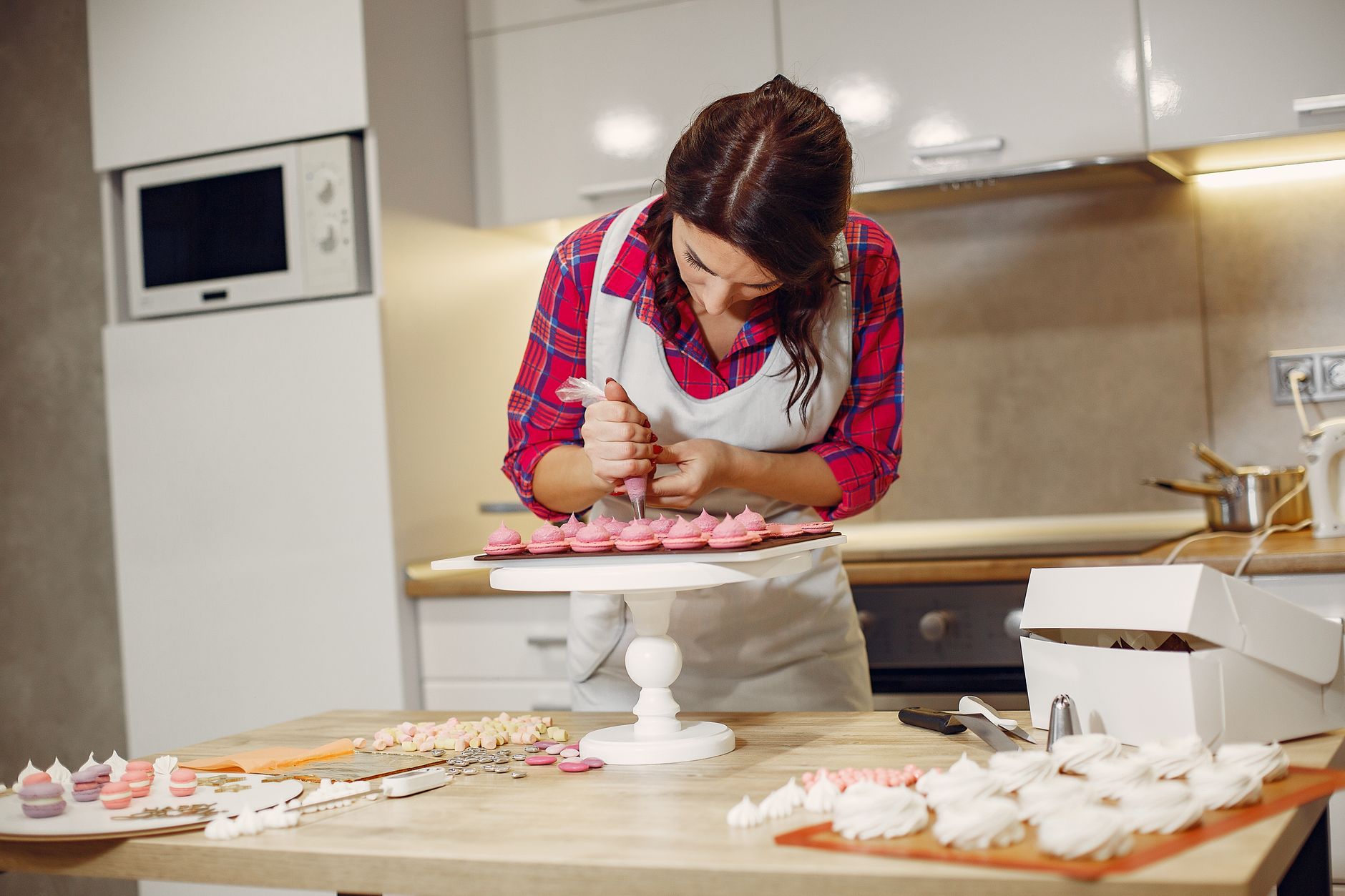
Great British Baking Show Recipes: A Colkirk Baker’s Practical Guide
Great British Baking Show recipes have a fierce reputation in village kitchens: precise, unforgiving, and hugely satisfying once you finally crack them. Anyone who has attempted Great British Baking Show recipes on a damp Saturday in Colkirk knows the gap between a tidy studio bake and a domestic fan oven that runs 15°C hot on the top shelf. This guide is written for that reality — a modest kitchen, one oven, a single set of scales, and a family who will eat the evidence either way. You will find realistic timings, honest costs in pounds, substitutions that work with what the village shop actually stocks, and the small technical habits that separate a passable sponge from a genuinely good one. No mystique, no unobtainable equipment, just the method behind the showstoppers. Work through it once and the rest becomes muscle memory.
Why Great British Baking Show Recipes Reward Precision
The format’s discipline is the point. Weights are given in grams because volume measures drift by up to 20% between cooks. A £12 digital scale with 1g increments removes more failure than any expensive stand mixer, and it is the single upgrade that changes results in an ordinary home kitchen immediately.
Temperature is the second discipline. Most domestic ovens vary by 10–20°C from the dial, so an oven thermometer costing around £8 pays for itself within three bakes. Butter at 18°C creams properly; butter straight from a Norfolk larder in January simply will not, whatever the recipe timing promises.
Classic british baking recipes — Victoria sandwich, Bakewell tart, sausage rolls, seeded cottage loaf — are the foundation the showstoppers are built on. Master four of them properly and roughly 80% of the technical challenges become variations rather than unfamiliar territory, which is exactly how experienced bakers approach the tent.
The Technical Challenge Mindset
Read the whole method twice, then write your own timeline backwards from serving. Chilling pastry for 30 minutes is not optional padding; it is what stops shrinkage in a blind-baked case. Treat every stated rest as a hard instruction and the failure rate drops sharply.
Kit and Ingredient Costs for a Real Village Kitchen
You do not need a professional setup to tackle Great British Baking Show recipes. A serviceable baking kit lands at roughly £120 all in, and most of that is one decent tin set. Supermarket own-brand strong white flour performs almost identically to premium brands in enriched doughs, saving perhaps £1.20 per kilogram over a year of weekly baking.
Ingredients are where budgets quietly leak. Vanilla extract at £6 for 100ml is genuinely better than essence for buttercream, while ground almonds bought in 500g bags rather than 100g sachets cut frangipane costs by nearly half. Buy butter on offer and freeze it in 250g blocks.
The table below compares what most Colkirk bakers actually need against what the television tent suggests, with realistic prices for equipment that will last a decade rather than a season. The gap is smaller than it looks, and three of these items are one-off purchases you will never replace.
| Item | Typical cost | Why it matters |
|---|---|---|
| Digital scales (1g increments) | £12 | Removes the largest single source of error |
| Oven thermometer | £8 | Reveals a dial that lies by 10–20°C |
| Pair of 20cm sandwich tins | £18 | Even layers, no guesswork on depth |
| Bench scraper | £4 | Handles wet dough without extra flour |
| Loose-bottomed tart tin | £14 | Releases fragile pastry cases intact |
Seasonal Baking and Allotment Produce
Seasonality does more for flavour than technique. A rhubarb crumble tart made with forced stems in late winter tastes nothing like one made in June, and uk allotment gardening gives you both windows for around £45 a year in plot rent across much of Norfolk.
Experienced allotment gardening uk plot-holders plan around the baking calendar without realising it: gooseberries for June tarts, apples for October pies, quince for membrillo to serve with cheese scones. Two blackcurrant bushes yield enough for six batches of jam and still leave fruit for the freezer.
Fillings are where home bakers beat the shops outright. Shop jam runs about £2.50 a jar with 45% fruit; homemade from your own crop hits 65% and costs little more than the sugar. That difference is immediately obvious in a Bakewell or a Swiss roll.
Growing Your Own Fillings
Start with rhubarb, blackcurrants and a cooking apple tree — all forgiving, all productive within two seasons. A single Bramley yields 20–30kg once established, enough for a year of pies, and windfalls freeze perfectly in 500g bags labelled by weight for direct recipe use.
Fitting Baking Around Work, Walks and Home Life
Proving schedules and working days can coexist. If you work from home, sensible home office setup ideas — a desk positioned away from the kitchen, a timer app, and a second monitor for the method — stop you hovering over dough that needs 90 undisturbed minutes to double in size.
Bulk fermentation pairs well with exercise. Searching for dog walking parks near me and heading out for 45 minutes is the ideal first prove: you return to properly risen dough instead of knocking it back early out of impatience. Norfolk’s field paths suit this perfectly.
The same logic applies to overnight bakes. Mix a sourdough at 9pm, retard it in the fridge, and bake before work. Locals hunting parks for dog walking near me often end up on the same circuit twice a day — a rhythm that matches a levain’s feeding schedule almost exactly.
Ideas Borrowed from Travel Around Britain
Regional baking is the cheapest research available. Many travel destinations in uk guidebooks are also baking destinations: Bakewell for its tart, Cornwall for saffron buns, Yorkshire for parkin, Kendal for mint cake. A weekend away returns with three recipes you would never have found in a book.
Ranking the best uk travel destinations by bakery is only half a joke. Among the best travel destinations uk bakers rate highly, Ludlow, Bath and Whitby all reward a detour, and each has a signature bake worth reverse-engineering at home for under £5 in ingredients.
Overseas trips work the same way. Browsing hays travel destinations from uk airports for a week in Portugal or Austria hands you pastéis de nata and Sachertorte to attempt later. Even domestic travel destinations uk families choose for half-term tend to produce at least one usable idea.
Keep a notebook. Photograph the bake, note the texture, then compare it against great british baking recipes you already trust once home. Nine times in ten the difference is a single variable — hydration, fat ratio, or oven temperature — and identifying it turns a souvenir into a repeatable weeknight bake.
How long does it take to master Great British Baking Show recipes at home?
Most home bakers reach a reliable standard within six to nine months of weekly practice, which works out at roughly 30 to 40 bakes. The first ten are about calibration — learning your oven’s hot spots, how your flour absorbs liquid, and how long your butter takes to reach 18°C in your kitchen. The next twenty build technique: laminating, tempering chocolate, judging a caramel by colour rather than a timer. Progress is not linear, and a collapsed soufflé at bake 25 is entirely normal. Keep a simple log with date, recipe, oven temperature and outcome; reviewing it after three months shows patterns no recipe can teach you.
Is a stand mixer essential for these bakes?
No. A stand mixer costing £180 to £400 saves effort rather than delivering better results, and a hand mixer at around £25 handles creamed sponges, meringues and buttercream perfectly well. The genuine exceptions are enriched doughs — brioche, panettone, doughnuts — where 15 minutes of continuous kneading is punishing by hand, though a 10-minute rest between two shorter kneads achieves the same gluten development. Bread benefits far more from a bench scraper, a plastic tub for bulk fermentation and a set of accurate scales than from a motor. Buy the mixer once you know you will use it monthly, not before.
What should a complete beginner bake first?
Start with a Victoria sandwich, then a simple shortcrust tart, then an enriched bread. That sequence teaches creaming, rubbing in and kneading — the three mechanical foundations everything else is assembled from. A Victoria sandwich uses equal weights of butter, sugar, eggs and self-raising flour, so it is almost impossible to misremember and instantly reveals whether your oven runs hot. Bake the same recipe three weeks running, changing exactly one variable each time: shelf position, then temperature, then mixing time. By the third attempt you will understand your equipment well enough that intimidating showstoppers become a matter of scheduling rather than skill.
