
Community Land Trust Explained UK: How Villages Own Land Forever
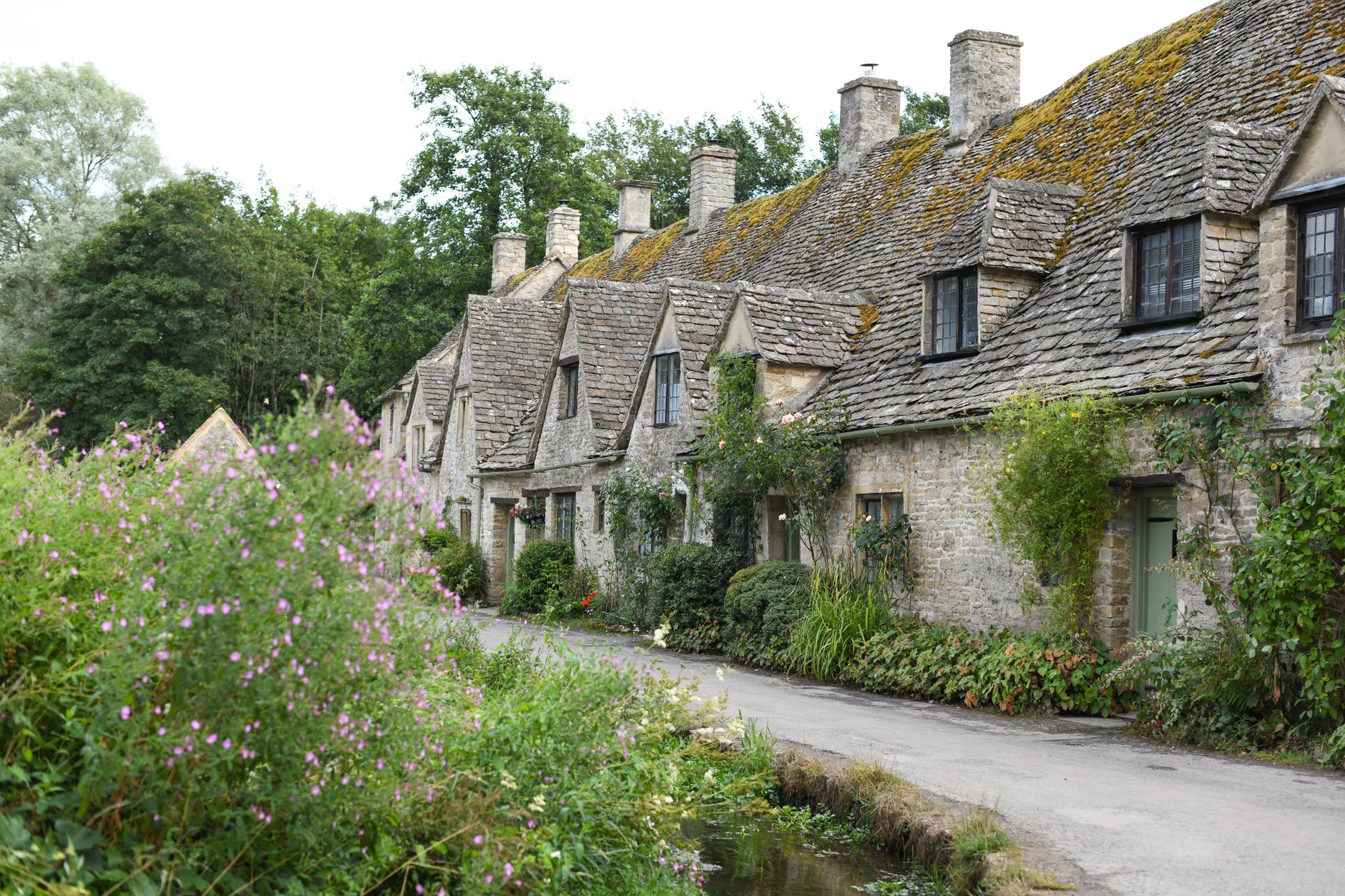
A community land trust explained UK-wide comes down to one stubborn fact: it is land value, not bricks and mortar, that prices local families out of parishes like Colkirk. Get community land trust explained UK terms right and the picture clears quickly. A CLT is a democratic, membership-based corporate body that buys land, holds it permanently, and passes on only the buildings above it, never the underlying site. That single split is what keeps a three-bedroom house selling at £170,000 in a parish where the open market asks £285,000. The model sits in statute rather than custom, with a legal definition written into housing legislation, and more than 300 trusts now operate across England and Wales. They range from a single restored village pub to schemes of 40 homes. This guide covers structure, real costs in pounds, governance, and the practical first twelve months.
What a community land trust is in UK law
The statutory definition sets three tests: the body must further the social, economic and environmental interests of a defined local area, it must be run primarily for the benefit of that community, and membership must be open to anyone who lives or works there. Fail any one of those and the label does not apply.
Most trusts register with the Financial Conduct Authority as a community benefit society using sector model rules. Filing costs around £40 for unamended rules and up to £950 where a solicitor redrafts them. A community interest company limited by guarantee is the alternative, incorporated through Companies House for roughly £50 with a slimmer annual reporting burden.
Membership is deliberately cheap. A £1 withdrawable share buys one vote, regardless of how much anyone has put in, and the board must be elected by those members at a general meeting. The asset lock written into the rules blocks any future committee from selling the land and distributing the proceeds among individuals.
Society, company or charity?
Groups working out how to set up a charity discover that providing housing for people not in demonstrable need rarely passes the public benefit test, so registration is often declined. The common answer is a hybrid structure: a charitable parent holding land and open space, with a trading subsidiary carrying the development risk and covenants.
Registered providers, planning authorities and lenders all read the rules before committing a penny. Established model rules already satisfy most lender panels, which compresses legal review from months into weeks and keeps solicitor fees near £2,500 rather than the £8,000 a fully bespoke constitution tends to attract.
How the model holds prices down permanently
The trust keeps the freehold and grants each household a lease of 125 to 250 years, typically at a ground rent of £10 a year. Buyers own the building outright and may sell whenever they choose, but the lease fixes a resale formula, so the land gain never leaks into the open market.
Formulas are usually pegged to local earnings rather than national house price indices. A home sold at 60 per cent of open market value in a Norfolk parish might list at £170,000 against a £285,000 comparable, and it will resell at that same percentage decades later, whatever the wider market has done meanwhile.
Rural exception sites make the arithmetic work. Planning policy allows agricultural land on the village edge to be released solely for affordable local homes, so a trust pays perhaps £12,000 to £20,000 per plot rather than the £90,000 a volume housebuilder would bid for land with open market consent.
Any honest guide to community land trust explained UK practice returns to this point. Shared ownership hands a discount to one household on one day; a CLT lease hands the same discount to every household that follows, for as long as the trust exists and the asset lock in its rules continues to hold.
Getting started in a village like Colkirk
Begin with evidence, not enthusiasm. A parish housing needs survey delivered to every letterbox, usually coordinated by a rural housing enabler, costs £600 to £1,200 and produces numbers a planning officer will accept. Twelve confirmed households in local need is normally sufficient to justify an exception site application.
Take it to the parish council early. Under parish council meeting rules uk agendas must be published at least three clear days ahead, meetings are open to the public, and most councils reserve a public participation slot. Ask the clerk for a formal agenda item rather than raising the idea from the floor.
Public meetings need a room, and village hall hire cost uk figures sit between £8 and £25 an hour for a main hall, with committee rooms nearer £6. Book two evening sessions, budget £120 in total, and present the survey findings as printed display boards rather than projected slides.
Paying for the first year
Early costs stay modest and most are grant-fundable through community housing programmes, rural funds and parish precept contributions. Budget realistically before approaching anyone for money.
| Item | Typical cost |
|---|---|
| Parish housing needs survey | £600 – £1,200 |
| FCA registration with model rules | £40 – £950 |
| Legal advice on lease and rules | £2,500 – £8,000 |
| Site option agreement and feasibility | £3,000 – £6,000 |
| Insurance, accounts and hall hire, year one | £900 – £1,500 |
Local fundraising closes the gaps and builds the membership list at the same time. Anyone who has learned how to run a village fete already holds the skills required: a summer event with a plant stall, tombola and licensed bar clears £1,500 to £3,000 in a well-populated parish and recruits thirty members in one afternoon.
What a trust can own besides housing
Housing dominates the headlines, but the asset lock suits anything a community cannot afford to lose. Trusts across the country hold pubs, village shops, woodland, workshops, moorings and allotments. The legal machinery is identical; only the business plan changes, and smaller assets often reach viability far faster than a housing scheme.
Groups starting a community garden uk style usually need a secure lease of at least fifteen years before funders will pay for polytunnels, fencing and a mains water supply, and a trust can grant precisely that. Beds, sheds and a tool store for a half-acre plot run to roughly £6,000 all in.
A surplus food project pairs neatly with the same land. Anyone asking about community fridge how it works will find a monitored commercial fridge in an unlocked porch, restocked daily from supermarket surplus and open to everyone with no referral required. Running costs amount to electricity plus about £400 a year for temperature checks.
That sits alongside, rather than replacing, the parish response to real hardship. Residents asking how to volunteer at food bank sessions are usually offered a two-hour weekly slot sorting and date-checking stock, while the uk food bank referral process still runs through vouchers issued by schools, GPs, health visitors and the parish clerk.
Trust members tend to overlap heavily with other village structures. Anybody researching neighbourhood watch scheme how to start needs six to ten committed households, a named coordinator and registration with the local police force, and the same members list that elected the CLT board makes that recruitment straightforward.
Governance, volunteers and staying solvent
Boards need a genuine spread of skills: finance, construction, planning, and somebody who can chair a difficult meeting. Recruit through the channels that already fill other village roles. People who have worked out how to become a school governor understand quorums, conflicts of interest and how to read management accounts critically.
Income between build phases is the structural weak point. Ground rents raise almost nothing, so trusts lean on membership subscriptions, a modest management fee written into the lease, and trading income. Retail is the usual answer, since it converts donated stock into unrestricted cash with no grant reporting attached.
The retail benchmark is instructive. The best charity shops in london clear £2,000 to £6,000 a week from a single unit, and while a Norfolk village will never approach that, a pop-up in the hall on two Saturdays a month nets around £250 a session, and donating clothes to charity uk remains the main source of that stock.
Keep the paperwork tight from day one. Community benefit societies file annual returns and accounts with the regulator, and full audit thresholds bite well above any village trust turnover. Below that line, an independent examination costing £600 to £1,200 satisfies members, grant funders and mortgage lenders alike.
How do you actually start a community land trust in the UK?
Start with six to ten residents willing to commit two years, then commission a parish housing needs survey for £600 to £1,200 to establish evidence a planning officer will accept. Register with the Financial Conduct Authority as a community benefit society using model rules, appoint a board of at least five, and open membership at £1 a share. Next, identify a rural exception site and secure an option agreement with the landowner, typically for £1 and a three-year term. Approach the local authority community housing officer and a registered provider partner early. Most groups reach planning submission within eighteen to thirty months, and community land trust explained UK guidance consistently shows the survey stage is what determines whether the rest succeeds.
Is a community land trust the same as a housing association?
No, though they often work together on the same scheme. A housing association is a large registered provider, professionally staffed, operating across a county or region, and accountable to a regulator and its lenders rather than to the residents of one parish. A CLT is small, volunteer-led, geographically tied to a defined community, and controlled by members who each hold one vote regardless of investment. Many trusts partner with an association precisely because that partner brings development finance, a construction team and long-term tenancy management. The trust retains the freehold and the asset lock; the association builds and often manages the rented homes. Control over who the homes serve stays local, permanently, through the lease covenants.
What does a community land trust cost to run each year?
A dormant or pre-development trust runs on very little: expect £900 to £1,500 covering directors and public liability insurance at roughly £400, an independent examination of accounts at £600 to £1,200, regulator filing fees under £100, and occasional room hire. Once homes are occupied, costs rise to £3,000 to £8,000 annually, including lease administration, a reserve fund contribution, and professional advice on resales. Income to cover that comes from a management fee inside each lease, usually £150 to £300 per home per year, plus membership subscriptions and trading. Trusts holding a pub or shop carry higher costs but far higher turnover. Budget conservatively and build twelve months of reserves before completion.
