
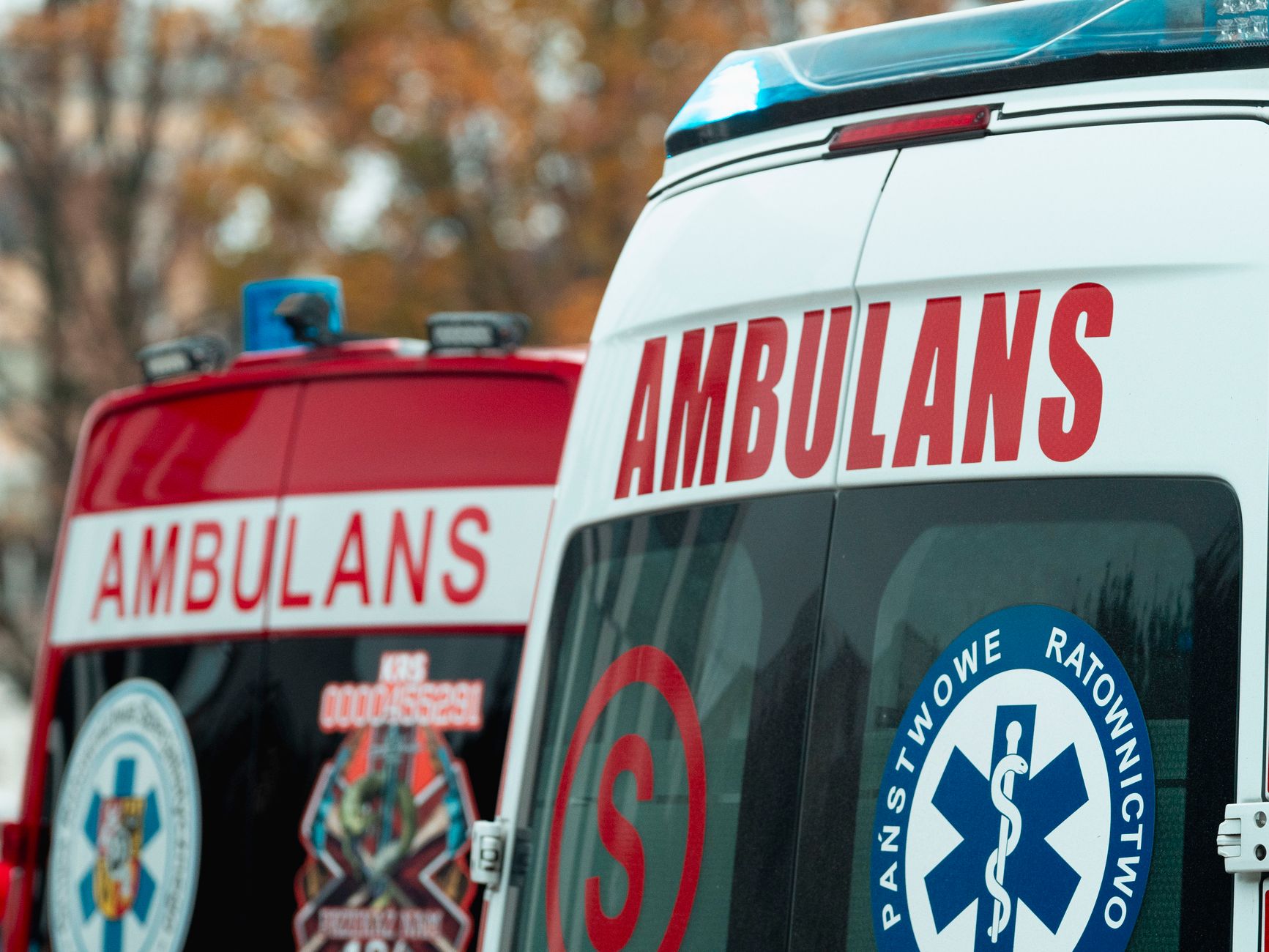
Knowing how to reach nhs emergency services from a village like Colkirk can shorten the gap between a 999 call and a paramedic standing in your hallway. Rural Norfolk sits at the far end of long response chains, and nhs emergency services here depend on a mix of ambulance crews from King’s Lynn and Norwich, volunteer first responders, and a district hospital network spread across the county. Most Colkirk households sit roughly nine miles from the nearest 24-hour emergency department, which changes how sensible preparation looks. A visible house number, an unlocked gate, a charged phone and a written medication list can save four or five minutes. Those minutes decide outcomes in cardiac arrest, stroke and severe allergic reaction. This guide covers what each arm of the service does, when to call 999 rather than 111, how to prepare a home, and how neighbours can cover for one another.
What NHS Emergency Services Cover Across Rural Norfolk
The phrase covers a network, not a single organisation. It includes the 999 call centre, ambulance crews dispatched from King’s Lynn and Norwich, the air ambulance, emergency departments at two acute hospitals, minor injury units, out-of-hours GP cover through 111, and volunteer community first responders carrying defibrillators. Understanding nhs emergency services means understanding which arm you actually need.
Geography drives everything. A crew heading to Colkirk may already be committed at a hospital handover in Norwich, so the vehicle that reaches you first is often a rapid response car staffed by a single paramedic, or a trained villager on a pager. Both carry oxygen and a defibrillator, and both buy time for the transporting ambulance behind them.
Minor injury units handle a surprising share of the workload. Sprains, shallow cuts, suspected simple fractures, minor burns and foreign bodies in eyes are all treated locally, usually within 60 to 90 minutes, without adding to A&E queues. Choosing the right door protects capacity for the chest pains and strokes that genuinely cannot wait.
Ambulance Categories and Response Targets
Calls are triaged into categories. Category 1 covers cardiac arrest and airway obstruction, with a national average target of seven minutes. Category 2 covers stroke, chest pain and serious burns, targeted at 18 minutes on average. Category 3 and 4 cover urgent but stable problems, where waits of two to six hours are common in rural postcodes.
Village averages rarely match national figures. Distance, single-track lanes, unlit driveways and mobile signal blackspots all add time. If a relative has a known cardiac or respiratory condition, assume the realistic arrival window is longer than the published target and build your plan around that assumption rather than the headline number.
When to Call 999, When to Call 111
The rule is simple: 999 is for problems that threaten life, limb or sight within the next hour. Anything else routes better through 111, which now books slots directly into minor injury units and out-of-hours GP clinics. Calling 999 for a non-urgent problem does not speed anything up; triage simply places you behind the emergencies.
Stroke remains the clearest example of a 999 call. Facial droop, arm weakness or slurred speech means dialling immediately, noting the exact time symptoms began, and unlocking the front door. Thrombolysis and clot retrieval are time-dependent treatments, and the difference between a 20-minute delay and a 90-minute delay is often permanent.
The table below covers the situations that come up most often in a village of this size, and where each one should go.
| Situation | Best route | Typical wait |
|---|---|---|
| Chest pain, stroke signs, unconsciousness | 999 | 7-18 minutes target |
| Deep cut needing closure, suspected wrist fracture | Minor injury unit | 60-90 minutes |
| High fever in a child, worsening infection | 111 | Callback in 30-60 minutes |
| Severe allergic reaction with breathing difficulty | 999 plus adrenaline pen | Immediate dispatch |
| Ongoing back pain, repeat prescription | GP surgery | Next working day |
Preparing Your Home Before You Ever Need to Call
Preparation is unglamorous and cheap. Crews lose time finding properties with faded name plates, gates secured with baler twine, and driveways blocked by parked cars. A reflective house sign costs around £15, a solar driveway marker about £20, and both repay themselves the first time an ambulance approaches a dark lane at 3am.
Keep the essentials in one place rather than scattered through drawers. The list below is what paramedics consistently ask for, and having it ready removes several minutes of frantic searching while someone deteriorates on the kitchen floor.
- A printed medication list with doses, updated after every prescription change
- NHS number, GP surgery name and next of kin contact on one card
- Any allergy or anticoagulant information written in capitals at the top
- Spare inhalers, adrenaline pens or glucose gel stored where visitors can find them
- A torch by the front door and a key safe code shared with two neighbours
Test the plan once a year. Ask a family member to find the medication list in under a minute without help. If they cannot, the system has failed and needs relocating somewhere more obvious, such as inside the front of a kitchen cupboard door or fixed to the side of the fridge.
The Grab Bag and the Medication List
A hospital grab bag holds phone charger, glasses, hearing aid batteries, toiletries, slippers and a change of clothes. Admissions from rural Norfolk frequently last three nights or more, and visiting relatives face a 40-minute round trip to fetch anything forgotten. Packing once saves several of those journeys and a good deal of fuel.
Pets, Dependants and the Handover Plan
Ambulance crews do not take responsibility for animals. A household that has just answered a french bulldog puppy for sale advert now has a dependent that cannot be left alone for three days while someone is admitted to Norwich. Write a pet card, pin it inside a cupboard door, and name two people who can act.
Whether the listing you responded to read puppy french bulldog for sale or puppy for sale french bulldog, the animal in your hallway still needs feeding, medication and a walk. Brachycephalic breeds also overheat quickly and struggle in warm cars, so the neighbour who agrees to help should understand those limits before an emergency arrives.
The same logic applies to children, elderly relatives and livestock. Record who collects the children from school, who holds the field gate key, and which number reaches them fastest. Put that information on the same card as the medication list so a single sheet answers every question a responding crew or arriving relative might ask.
Costs, Community Schemes and Village Resilience
Preparation costs less than most households assume. A parish defibrillator cabinet runs £900 to £1,400 installed, a family first-aid kit £25 to £45, and a police-approved key safe £35 to £60 fitted. Compare that with discretionary spending elsewhere: a french bulldog puppy price uk typically sits between £1,200 and £3,500.
That comparison is deliberate. Buyers who spend weeks refining searches from french bulldog puppy for sale uk to puppy french bulldog for sale uk, or who pay a premium chasing a blue french bulldog puppy for sale, rarely give one evening to an emergency plan. Shifting even £50 of that attention toward nhs emergency services preparation changes real outcomes.
The pattern repeats across breeds and across households. Someone typing english bulldog puppy for sale near me, puppy bulldog for sale near me or british bulldog puppy for sale near me is committing to a decade of care, and the same is true of a mini bulldog puppy for sale or an american bulldog puppy for sale near me listing. Plan your own health with that horizon.
How quickly do ambulances reach a village like Colkirk?
It depends entirely on triage category and crew availability at that moment. A Category 1 call, such as a cardiac arrest, triggers the nearest available resource regardless of station, which in practice often means a community first responder from within a few miles arriving before the transporting ambulance. Those volunteers carry defibrillators and oxygen and can begin effective treatment within minutes. Category 2 calls covering stroke and chest pain aim for roughly 18 minutes on average nationally, though rural postcodes routinely exceed that. Lower category calls can wait several hours. Improve your own odds by making the property easy to find: lit house number, open gate, someone waiting at the roadside, and a phone kept free for the crew to call back.
Is a minor injury unit a better choice than A&E?
For the right injury, yes, and by a wide margin. Minor injury units treat sprains, simple fractures, minor burns, small wounds needing glue or stitches, insect bites, minor head injuries without loss of consciousness, and foreign bodies in eyes or ears. Waits typically run 60 to 90 minutes against four hours or longer in a busy emergency department, and staff there are experienced nurse practitioners with X-ray access. They are not equipped for chest pain, breathing difficulty, heavy bleeding, suspected stroke, abdominal pain with collapse, or anything involving significant mechanism of injury such as a fall from height or a road collision. If you are uncertain which category your problem falls into, call 111 first and let the clinician decide rather than guessing.
What should I say when the 999 operator answers?
Start with the address, including the village, postcode and any landmark such as the church or a farm entrance, because the call handler needs a dispatch location before anything else. State clearly whether the person is breathing and conscious. Then describe what happened in plain language: collapsed, chest pain for 20 minutes, bleeding heavily from the forearm. Give age, known conditions and current medication if you have the list to hand. Stay on the line, because the handler will talk you through chest compressions, bleeding control or recovery position while the crew travels. Unlock the door, restrain any dogs, switch on outside lights, and send someone to the roadside if a second adult is present. Do not hang up until told to.
