
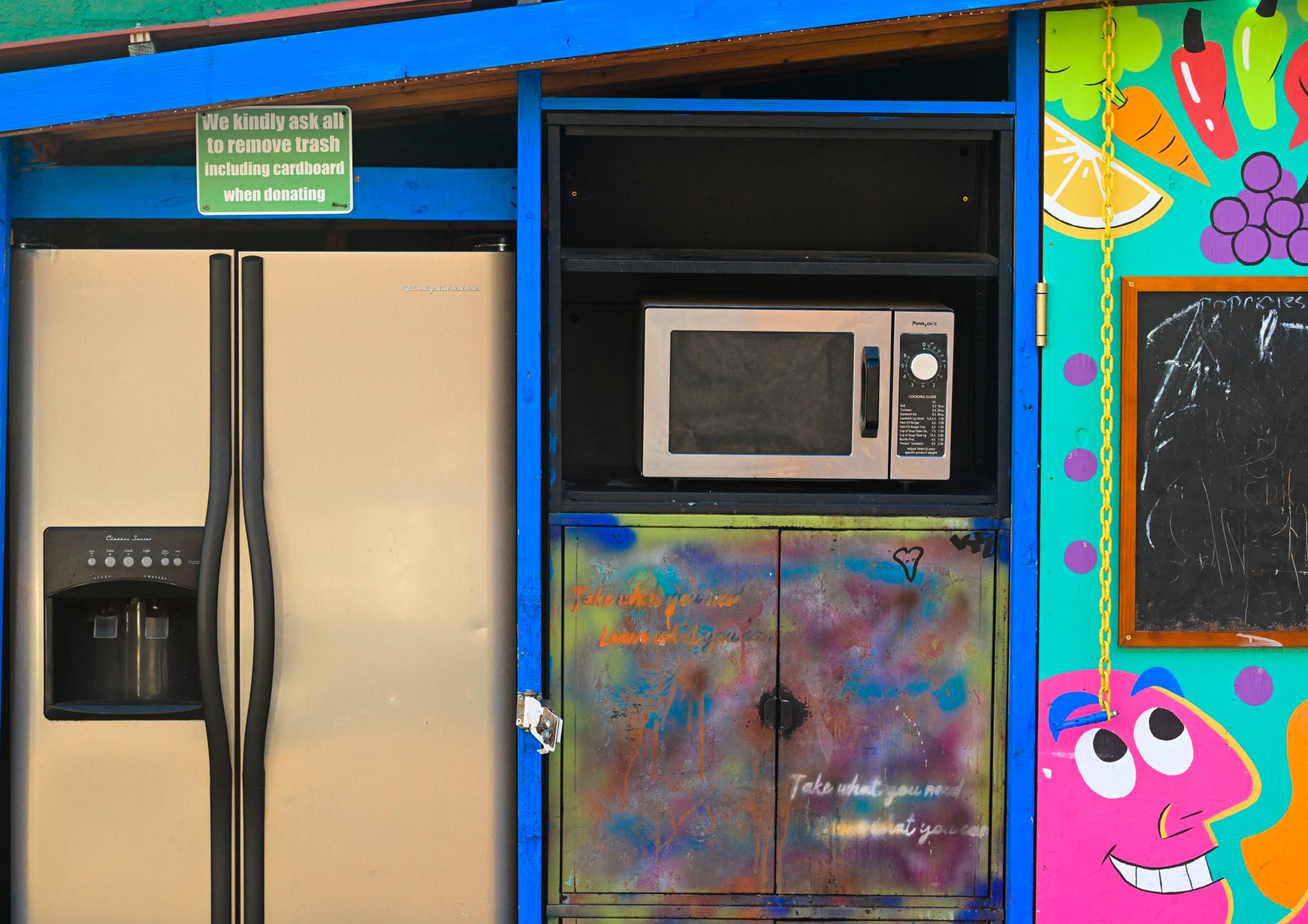
Community Fridge How to Start: The Complete UK Guide
If you have typed community fridge how to start into a search bar, you are probably standing somewhere between a good idea and a very long list of questions. The honest answer is that community fridge how to start guides usually skip the boring parts — insurance, temperature logs, who unlocks the door on a Bank Holiday Monday — and those are exactly the parts that decide whether your project lasts three months or ten years. A community fridge is a publicly accessible refrigerator, usually sited in a village hall, church porch, library or shop doorway, where surplus food from households, allotments and local businesses is redistributed free of charge to anyone who wants it. No means testing, no vouchers, no queue of shame. This guide covers structure, costs, food safety law, sourcing and volunteer management, with the numbers a Norfolk or London group would realistically face.
What a Community Fridge Is and Who Actually Uses It
A fridge sits in a shared space and is stocked with surplus: bakery items at closing time, misshapen vegetables, short-dated yoghurt, allotment gluts of courgettes in August. Anyone can take what they need. A poster explaining community fridge how it works in plain language does more for uptake than any leaflet drop.
Users split roughly three ways: households under real financial pressure, people who simply hate waste, and passers-by who take one item on the way home. Expect all three, and design signage that never implies the fridge is only for the struggling — stigma empties a project faster than empty shelves do.
Volume surprises new groups. A well-sited cabinet in a village of two thousand people will move between forty and ninety kilograms of food a week once word spreads, which is why the rota, not the equipment, becomes your genuine constraint by about the third month of operation.
How a Community Fridge Differs From a Food Bank
This is not a food bank. The UK food bank referral process normally requires a voucher from a GP, school or support worker, and issues a fixed parcel of ambient goods. A fridge is open access: no referral, no eligibility check, no record of who took the milk. That single difference shapes your safeguarding policy, your insurance and your funding pitch.
Building a Team and Choosing a Legal Structure
Start with six to ten committed people rather than sixty vague supporters. You need a coordinator, a food safety lead, a rota manager, a treasurer and a donations contact who talks to shops. The committee skills are ordinary: if you know how to run a village fete, you can chair this.
Run meetings properly from the first one. Borrow the parish council meeting rules UK councils follow: a published agenda, declared interests, a quorum, and minutes circulated within ten days. People who have looked into how to become a school governor often make strong treasurers, because they already understand accountable minute-taking and conflict declarations.
Recruit street by street. The pattern in any neighbourhood watch scheme how to start advice works here: one noticeboard, one messaging group, one person per road who nags their neighbours. Twelve reliable volunteers covering two checks a day is a healthier position than a mailing list of three hundred.
Do You Need to Register as a Charity?
Most fridges begin under an existing host: a church, a parish council, a village hall trust or a constituted residents association. That gives you insurance cover and a bank account on day one. If income passes roughly twelve thousand pounds a year, look at how to set up a charity as a CIO, which caps trustee liability.
Finding a Venue and Costing the Project Honestly
The site decides the project. You need a permanent power socket, step-free access, a hard washable floor, and opening hours that suit shift workers rather than committee members. Church porches, library foyers, leisure centre lobbies and village halls all work. Sheds and unheated garages do not, because condensation wrecks compressors.
Ask about a peppercorn arrangement before you ask about hire. The village hall hire cost UK groups quote sits around eight to fifteen pounds an hour, which is unaffordable for a fridge that runs continuously. Most trustees will instead accept a flat annual contribution of one hundred to three hundred pounds toward electricity.

Budget for the second year, not just the launch. Grants cover shiny equipment easily and running costs rarely. The table below reflects what a small rural or suburban project typically spends, and the recurring column is the one that closes fridges when a founding grant runs out after twelve months.
| Item | Typical cost (GBP) | One-off or recurring |
|---|---|---|
| New commercial glass-door fridge | 600 – 1,200 | One-off |
| Refurbished or ex-display cabinet | 150 – 350 | One-off |
| Public liability insurance | 120 – 250 per year | Recurring |
| Electricity contribution to venue | 120 – 200 per year | Recurring |
| Thermometer and data logger | 25 – 90 | One-off |
| Level 2 food hygiene training | 15 – 25 per volunteer | Recurring |
| Signage, labels, cleaning kit | 80 – 150 | Mixed |
Food Safety Law and the Rules You Cannot Bend
Register with your local authority as a food business at least twenty-eight days before opening. Registration is free and non-negotiable, even though you charge nothing. Environmental health will want a written food safety management system, and officers are usually helpful rather than obstructive when a group approaches them early.
Keep the cabinet between zero and five degrees Celsius and log the reading twice daily, in writing, with a name against it. A ten pound fridge thermometer plus a fifty pound data logger removes most arguments. Two trained volunteers should hold Level 2 Food Safety certificates, at fifteen to twenty-five pounds each online.
The stock rules matter more than the paperwork, because one bad item ends public trust permanently. Print them, laminate them, and put them on the door where donors read them rather than in a folder behind the counter. The list below is the standard operating position across established UK fridges.
- Never redistribute anything past a use-by date, without exception
- Best-before items may be shared after the date if they remain fit to eat
- No raw meat, raw fish or shell eggs in the vast majority of schemes
- No home-cooked, home-baked or unlabelled food
- No alcohol, baby formula, opened packaging or damaged tins
- Allergen information must stay legible on every item
- Deep clean the cabinet weekly and record it on the same sheet as temperatures
Sourcing Stock and Keeping the Rota Alive
Supply comes from four places: supermarket surplus via redistribution apps, independent bakers and greengrocers at closing time, household donations, and growers. Local groups starting a community garden UK-wide often twin the plot with a fridge, because an August courgette glut has nowhere else sensible to go before it composts.
Recruits often arrive having already researched how to volunteer at food bank sessions, and are surprised by how light the commitment is: forty-five minutes, twice a week, checking dates, wiping shelves and photographing the log. Volunteers who have worked in the best charity shops in London bring exactly the right stock-rotation instincts.
Expect misdirected donations. People leave bags of textiles beside the door, so signpost clearly that donating clothes to charity UK shops accept is a separate errand, because fabric near food attracts pests. Anyone asking community fridge how to start questions should plan for this in week one, not month six.
How much does it cost to start a community fridge?
A realistic launch budget sits between four hundred and one thousand four hundred pounds. The cabinet dominates: a new commercial glass-door fridge runs six hundred to one thousand two hundred pounds, while a refurbished or ex-display unit costs one hundred and fifty to three hundred and fifty. Add public liability insurance at one hundred and twenty to two hundred and fifty pounds annually, thermometers and a data logger at twenty-five to ninety, hygiene training at fifteen to twenty-five per volunteer, and signage at eighty to one hundred and fifty. Running costs are the real test: electricity of roughly one hundred and twenty to two hundred pounds a year, plus insurance renewal, should be secured before you open rather than after.
Is a community fridge the same as a food bank?
No, and conflating the two causes practical problems. A food bank distributes pre-packed emergency parcels to people holding a voucher, with access running through a referral from a GP, school, health visitor or support worker. A fridge is open access: anyone may take anything, no questions asked, no records kept, no eligibility test applied. Its primary purpose is stopping edible surplus reaching landfill, with the social benefit following from that. The two models work well side by side, and many towns run both, but a fridge cannot replace crisis provision because supply is unpredictable and nobody can promise a family will find protein on a given Tuesday.
What food can and cannot go in a community fridge?
Accept fruit, vegetables, bread, bakery items, tinned and dry goods, sealed dairy, plant milks and sealed sandwiches within date. Best-before items may legally be shared after the printed date if they remain fit to eat, and that category supplies most of your volume. Refuse anything past a use-by date, raw meat, raw fish, shell eggs under most schemes, home-cooked or home-baked food, unlabelled items, opened packaging, alcohol and baby formula. Damaged tins and anything without legible allergen information go straight into the waste bin. Write the list on the door itself, because donors who cannot see the rules will guess, and their guesses tend to be generous.
