
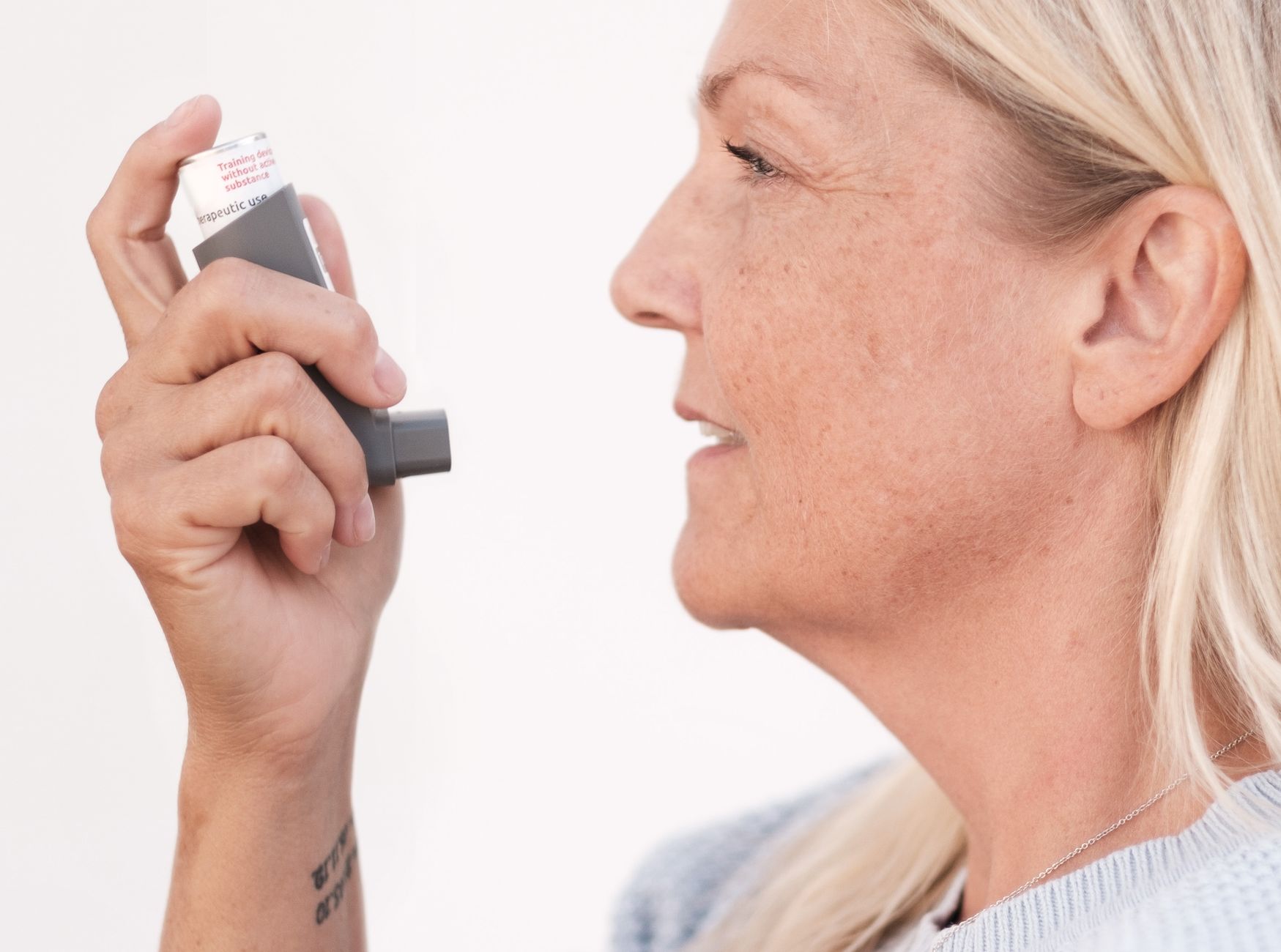
Eosinophilic Asthma Charities: A Practical Guide for Colkirk Households
Eosinophilic asthma charities exist because one severe subtype of asthma, driven by high eosinophil counts in the blood and airways, needs support that generic respiratory advice cannot provide. Across the UK, eosinophilic asthma charities fund biologic treatment research, run nurse-staffed helplines and help families navigate referrals to specialist severe asthma centres. For residents of Colkirk and the surrounding Norfolk villages that matters more than it might in a city: the nearest tertiary respiratory clinic can be an hour away, and rural surgeries carry heavy caseloads. This guide explains which organisations do the work, what your money actually buys, how village-level groups sit alongside national bodies, and the household decisions, pets included, that shape daily symptom control. Expect concrete figures, realistic costs and steps you can take from a parish hall rather than a hospital corridor.
What Eosinophilic Asthma Charities Actually Fund
The best-known UK organisations, alongside smaller severe-asthma trusts, pool donations into three streams: research grants, patient education and campaigning for faster access to biologic drugs such as mepolizumab, benralizumab and dupilumab. Each stream produces measurable outputs, and each is reported separately in published accounts, so donors can see the split before they commit.
Research funding takes the largest slice. A three-year PhD studentship into eosinophil biology costs roughly £90,000 to £120,000, while a pilot clinical study tracking blood eosinophil counts against exacerbation rates runs closer to £250,000. Grants of that size are usually awarded through independent peer review panels rather than internal decisions.
Education work is cheaper and moves faster. Nurse-led helplines handle dozens of calls a day at a marginal cost of a few pounds each, and printed self-management plans cost pennies to produce. For a household in rural Norfolk, that helpline is often the first place anyone explains what an eosinophil count above 300 cells per microlitre means in practice.
Helplines, Hardship Grants and Peer Support Groups
Hardship funds are the least visible strand and often the most immediately useful. Payments of £150 to £500 cover winter heating, travel to specialist appointments in Norwich or Cambridge, and replacement bedding after damp or mould damage. Peer groups, run on video calls or in borrowed community rooms, cost almost nothing and score highest in member satisfaction surveys.
Comparing Where Your Donation Goes
Not every cause does the same job, and choosing badly wastes goodwill rather than money. A national body can lobby regulators over biologic prescribing thresholds; a two-person trust cannot. Equally, a national body will rarely post a £200 cheque to cover a family’s fuel costs within a fortnight, which a regional group frequently does.
The table below compares typical organisation types by income, research share and what a modest gift funds. Figures reflect published annual reports across the respiratory sector and vary by organisation, so treat them as planning ranges rather than fixed quotes when you are deciding where a standing order should go.
| Organisation type | Typical annual income | Share spent on research | What roughly £50 funds |
|---|---|---|---|
| National respiratory charity | £20m and above | 25 to 35 per cent | Around two hours of helpline nursing time |
| Severe asthma specialist trust | £500,000 to £3m | 40 to 60 per cent | One patient’s travel to a tertiary clinic |
| Hospital-linked charitable fund | £250,000 to £2m | 10 to 20 per cent | Spirometry consumables for a clinic session |
| Regional support group | £5,000 to £40,000 | Nil | Four monthly hall hires for peer meetings |
| Patient-led peer network | Under £5,000 | Nil | A year of video conferencing and printing |
Read the ratio of charitable expenditure to total spend before donating. Anything above 75 per cent is healthy for an established organisation, though young charities investing in fundraising infrastructure may sit lower for a few years without any cause for concern. Ask the fundraising office directly; most answer within a working day.
Local Support Around Colkirk and North Norfolk
Colkirk sits a few miles from Fakenham, and that geography shapes everything about access. The nearest severe asthma service is roughly 26 miles away at the Norfolk and Norwich University Hospital. A return trip costs £12 to £18 in fuel, considerably more once a carer takes unpaid leave, which is exactly the gap travel grants are designed to close.
Village infrastructure does genuine clinical work here. A church hall hired at £8 to £12 an hour can host a monthly breathing-technique session, and the parish magazine reaches households that never see a charity’s social media posts. Rural isolation, rather than clinical neglect, is usually the barrier to consistent self-management across this part of Norfolk.
Local air quality also differs from urban assumptions. Harvest dust, silage, oilseed rape pollen through late spring and wood-burner smoke across winter drive far more local exacerbations than traffic emissions. National guidance rarely addresses this, which is why volunteers who understand the farming calendar add value that a London-based leaflet simply cannot match.
Pets, Dander and Household Triggers Worth Planning For
Animal dander is a recognised trigger in a substantial minority of severe asthma cases, and the decision is usually made emotionally. A family will search for a french bulldog puppy for sale on a Sunday evening and collect the dog a fortnight later, without ever asking the respiratory nurse whether the household’s eosinophil profile makes that risky.
Breed matters less than people assume, because dander comes from skin and saliva rather than coat length. Someone typing english bulldog puppy for sale near me, puppy bulldog for sale near me or british bulldog puppy for sale near me will find similar allergen loads across all three. Flat-faced breeds also bring their own veterinary bills, which competes for the same household budget as asthma care.
Cost realism helps. A french bulldog puppy price uk range of £1,500 to £3,500 is typical from a health-tested breeder, and a blue french bulldog puppy for sale is often advertised above that despite carrying no health advantage. Listings for a mini bulldog puppy for sale or an american bulldog puppy for sale near me span an equally wide band, so compare like with like.
Practical Checks Before You Commit to a Dog
Trial exposure first: spend two hours with an adult dog of the breed and record peak flow before and after. Anyone browsing a puppy french bulldog for sale listing, a puppy for sale french bulldog advert or a french bulldog puppy for sale uk classified should also budget £300 to £600 annually for HEPA filtration, weekly bedding washes at 60°C and a firmly enforced dog-free bedroom.
Fundraising and Volunteering That Actually Helps
Small, repeatable events beat one ambitious gala. A village coffee morning with 40 attendees clears £180 to £300 after costs, takes one volunteer a fortnight to organise, and can run four times a year. A single large event consumes months of goodwill and frequently returns less per hour invested than the modest alternative.
- Set up a £5 monthly standing order rather than an annual £60 gift, because predictable income lets charities plan research commitments
- Claim Gift Aid, which adds 25p to every qualifying £1 at no cost to you
- Offer a specific skill, such as bookkeeping, minibus driving or website updates, instead of general availability
- Ask your employer about matched giving, which many UK firms cap between £500 and £1,000 per employee each year
- Donate unused mobility or air-purification equipment through a group that verifies condition before redistribution
Volunteer time converts efficiently when it is specific. Driving one person to a clinic appointment saves a charity roughly £25 in travel reimbursement and saves the patient a four-hour bus journey with two changes. Committee roles matter too, but transport, admin and hall-booking volunteers are consistently the hardest posts to fill in rural areas.
Track what you raise and publish it locally. A notice in the parish newsletter reporting £640 raised and 18 clinic trips funded recruits the next round of volunteers far more effectively than an appeal for help. Concrete numbers travel through village networks in a way that general encouragement never does.
How Do I Choose Between Eosinophilic Asthma Charities When Donating?
Start with published accounts rather than marketing material. Check the proportion of expenditure reaching charitable activities, aiming above 75 per cent for an established organisation, and confirm whether research grants pass through an independent peer review panel. Then decide what you want your money to do. A large national body can press regulators on biologic prescribing thresholds and fund multi-year science, while a small trust can transfer a £250 hardship payment inside a fortnight. Many donors split the difference: £10 monthly to national research plus an occasional £25 to a regional group covering clinic travel. If local impact matters most, telephone the fundraising office and ask precisely what a given sum buys in Norfolk. Almost every organisation will tell you, and the ones that cannot answer have told you something useful too.
Is a Bulldog a Sensible Pet for a Household Affected by Severe Asthma?
It can be, provided the decision is tested rather than assumed. No breed is genuinely hypoallergenic, because the allergens involved come from skin cells, saliva and urine proteins rather than shed hair, so a short-coated bulldog offers no reliable advantage over a longer-coated dog. Before responding to any puppy french bulldog for sale uk advertisement, arrange two supervised hours with an adult dog of the same breed and record peak flow readings before, during and afterwards. If readings drop more than 15 per cent, reconsider. Where the trial goes well, commit to a dog-free bedroom, hard flooring in main living areas, weekly hot washes of bedding and a HEPA purifier in the room where the person with asthma spends most time. Review the arrangement with a respiratory nurse after three months.
What Does a Charity Helpline Do That My GP Surgery Cannot?
A specialist helpline offers unhurried time from a respiratory nurse who deals with severe and eosinophilic presentations every working day. A typical call runs 15 to 25 minutes, against roughly 10 minutes for a standard GP appointment, and the nurse can explain blood eosinophil thresholds, inhaler technique errors and the referral criteria for biologic therapy without needing to move on to the next patient. They will not prescribe or override your clinician, and they do not hold your medical record. What they do well is prepare you for the appointment that follows: which questions to ask, which readings to bring, and when a referral to a specialist severe asthma centre is genuinely warranted. Many callers describe that preparation as the point where their care finally moved forward.
