
The British Tradition of Tea Time: A Colkirk Guide to Afternoon Tea, Scones and the Village Urn
The british tradition of tea time is not a single ritual but three overlapping ones, and telling them apart is the first step to getting it right. In Colkirk and across the Fakenham area of north Norfolk, the british tradition of tea time still shapes an ordinary weekday: a mug of builder’s brew at eleven, a proper pot poured at four, and something heavier on the table by six. Afternoon tea, cream tea and high tea are not interchangeable terms, though menus across the county cheerfully muddle them. Afternoon tea arrived with the seventh Duchess of Bedford in the 1840s as a bridge across a long gap between lunch and dinner. Cream tea narrowed that idea to scones, jam and clotted cream. High tea, the working household’s version, was supper served at a high dining table rather than a low drawing-room one. This guide sets out what each involves, what it costs, and how village halls keep it alive.
What the Three Tea Times Actually Are
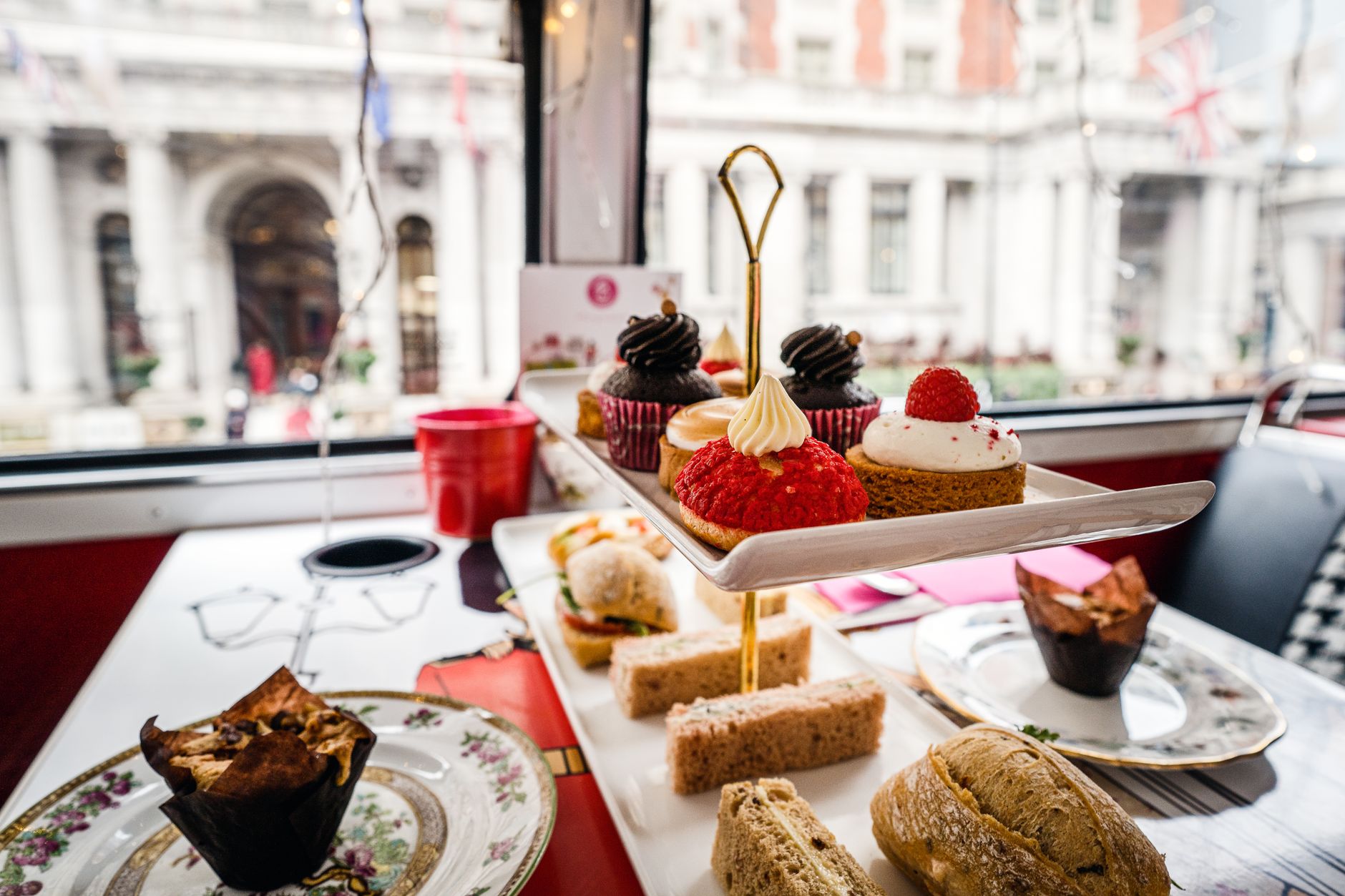
Afternoon tea is a mid-afternoon event, served between three and five, built on finger sandwiches, scones and small cakes arranged on a tiered stand. It is a light bridge between meals, never a meal replacement. Anna, Duchess of Bedford, is credited with formalising it in the 1840s, and the format has barely shifted since.
Cream tea strips the same idea back to its essentials: two scones, strawberry jam, clotted cream and a pot of tea for one. Norfolk tearooms typically charge between £7 and £10 for it. The clotted cream is almost always Cornish or Devon, since neither Norfolk nor Suffolk produces it at any real scale.
High tea is the term most often misused. It was a substantial evening meal for people who worked with their hands, served around six o’clock: cold meats, a pie, bread and butter, pickles and very strong tea. A hotel selling 'high tea’ with macarons at four in the afternoon is selling afternoon tea under a borrowed name.
Where Elevenses Fits In
Elevenses is the fourth, unadvertised sitting: a mug of strong tea and a biscuit taken mid-morning, usually standing up. It has no ceremony, no menu and no tiered stand, and it is the version most Colkirk households genuinely observe every day. The british tradition of tea time survives on elevenses far more than on cake stands.
Brewing Properly: Leaf, Water and Timing
Water temperature does most of the work. Black tea wants water at a full rolling boil, around 100°C, poured straight onto the leaf. Green tea scorches above 80°C and turns bitter within seconds. Warming the pot first costs nothing and stops the water dropping ten degrees the moment it lands.
Leaf quality matters more than brand loyalty. Loose leaf at £4 to £6 per 100g delivers roughly 40 cups, working out under 15p a cup, which undercuts most supermarket teabags on both cost and flavour. Bags containing dust extract fast and turn astringent, which is why they suit a strong builder’s brew.
| Tea | Water temperature | Steep time | Typical price per 100g |
|---|---|---|---|
| Assam | 100°C | 3-4 minutes | £4.00 |
| English Breakfast | 100°C | 3-5 minutes | £3.50 |
| Earl Grey | 95°C | 3 minutes | £4.50 |
| Darjeeling | 90°C | 2-3 minutes | £7.00 |
| Lapsang Souchong | 100°C | 4 minutes | £6.00 |
Milk order still divides households. Milk-in-first was originally a practical measure to stop thin bone china cracking under boiling liquid, and it also controls the scalding of proteins. With modern stoneware the argument is purely one of taste, and pouring tea first lets you judge the strength before diluting it.
Scones, Jam and the Order of Assembly
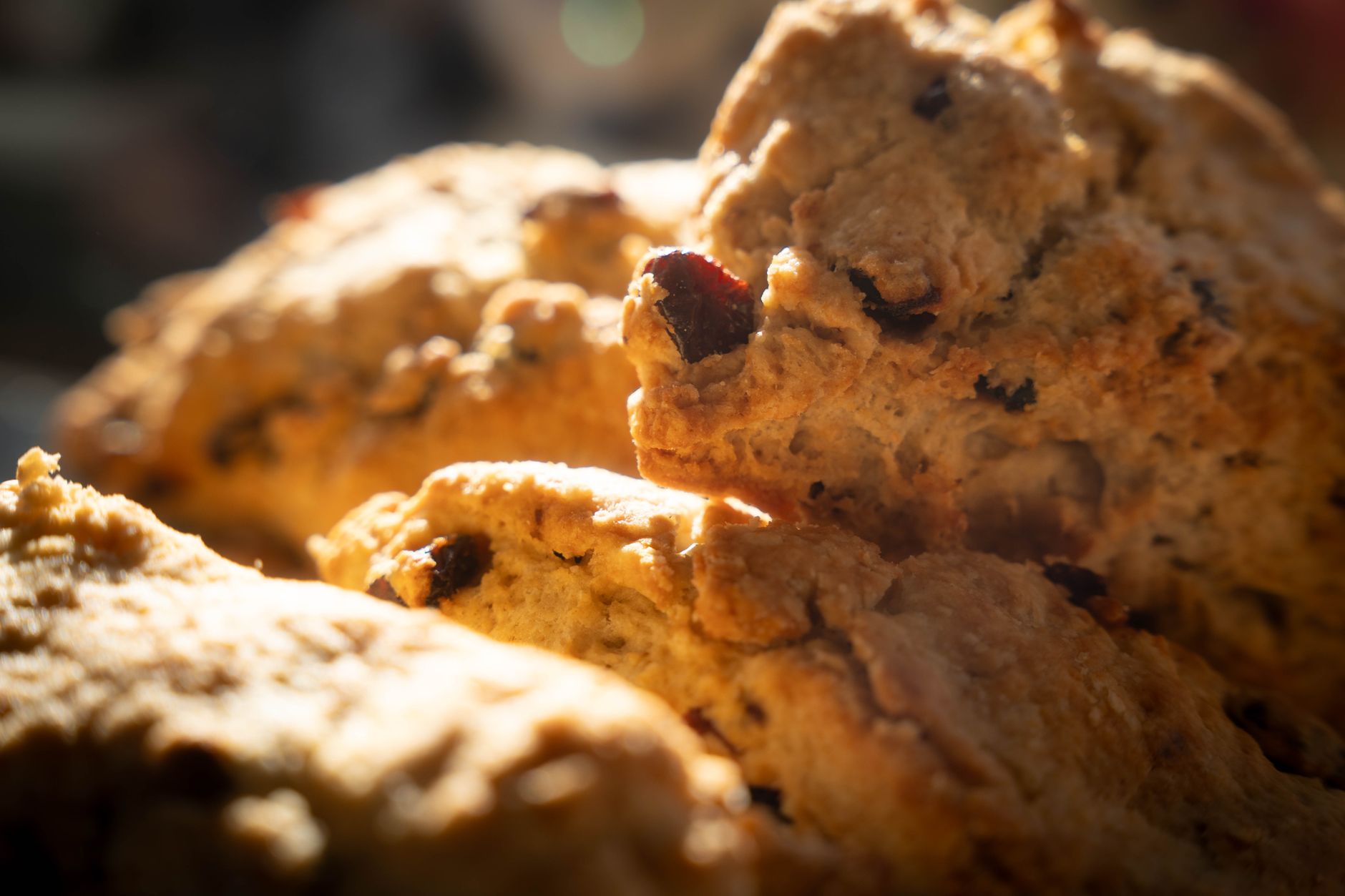
A scone is not a biscuit and not a cake. The dough should be handled as little as possible, cut straight down with a floured cutter rather than twisted, and baked hot at 220°C for around twelve minutes. Twisting seals the edge and stops the scone rising evenly, which is the most common domestic failure.
The Devon method spreads clotted cream first and jam on top; the Cornish method reverses it. Norfolk has no dog in that fight, and village halls tend to put both bowls on the table and let people sort themselves out. Structurally, jam first gives the cream a better grip on a warm scone.
- Plain scones: flour, butter, milk, baking powder, a pinch of salt
- Fruit scones: add 60g sultanas per 250g flour, soaked in warm tea
- Cheese scones: 80g mature cheddar, half reserved for the top
- Clotted cream: 55% minimum butterfat, roughly £2.50 per 200g tub
- Jam: strawberry or raspberry, ideally set firm rather than runny
Portion sizing is where home hosts overshoot. Two scones per person is generous for a cream tea, and for a full afternoon tea one scone alongside four sandwich fingers and two small cakes is the standard balance. Anything more and the sandwiches go untouched, which is a waste of good ham.
Tea Time Beyond the Parlour: Village Halls and the Noticeboard
Colkirk Village Hall runs the same model as hundreds of Norfolk halls: a hot water urn, a trestle table, a cake rota and a float in a biscuit tin. Entry is usually free, tea and a slice runs to about £2.50, and the takings go to the churchyard fund or the playing field.
The noticeboard by the door is part of the ritual. Between the oil syndicate sign-up sheet and the harvest supper poster sit handwritten cards: a lift wanted to Fakenham, a chest freezer going spare, a french bulldog puppy for sale with a mobile number snipped into tear-off strips along the bottom. Tea and small ads have always travelled together.
Those cards tell you what a parish is actually doing. Online search follows exactly the same pattern, and somebody typing 'puppy french bulldog for sale’ or 'puppy for sale french bulldog’ is doing digitally what the drawing pin did for a century. The urn simply gave neighbours a reason to stand still long enough to read.
Reading the Cards Beside the Urn
Wording on those cards is deliberate. 'french bulldog puppy for sale uk’ signals a seller happy to arrange travel, while 'puppy french bulldog for sale uk’ reads identically to a buyer scanning quickly. People wanting a shorter drive write 'english bulldog puppy for sale near me’ or 'puppy bulldog for sale near me’ instead, and expect under an hour behind the wheel.
Breed shorthand varies just as much. A card offering a 'british bulldog puppy for sale near me’ means the same animal a kennel club form calls simply a Bulldog. Colour commands a premium too, so a blue french bulldog puppy for sale sits well above a standard fawn, which is why french bulldog puppy price uk comes up over every teapot.
Two further phrases surface on Norfolk boards each spring. A 'mini bulldog puppy for sale’ is a crossbreed marketed on size rather than pedigree, while an 'american bulldog puppy for sale near me’ describes a working farm dog that will reach forty kilos. Both look odd pinned beside a Victoria sponge, and both get read while the tea cools.
Setting Up a Proper Tea Time at Home
The kit is cheaper than the ceremony suggests. A six-cup earthenware teapot costs around £18, a stainless infuser basket £6, and a set of four cups and saucers £25 in most Norfolk homeware shops. Total outlay stays under £60, and none of it needs replacing for years.
Skip the tiered stand if space is tight. Three ordinary plates spaced along the table achieve the same separation of sandwiches, scones and cakes, and they are far easier to wash. What genuinely matters is serving the scones warm and pouring the tea within four minutes of the water hitting the leaf.
Budget for guests at roughly £4 a head for a full spread made at home, against £22 to £35 per person at a hotel sitting. That gap is why the village hall model endures across Norfolk: the same food, a fraction of the cost, and considerably better conversation around the table.
Timing closes the ritual. Set the kettle going before guests arrive, warm the pot while the scones finish, and aim to sit down within ten minutes of everyone appearing. Tea served promptly at a kitchen table beats a tiered stand delivered late, every single time.
These three questions come up most often from readers setting up their first proper sitting.
How long should tea steep for a proper british tradition of tea time?
Three to five minutes for black tea, timed rather than guessed. Assam and English Breakfast reach full strength at around four minutes; leave them for eight and tannins dominate, producing the harsh, mouth-drying finish people wrongly blame on hard water. Darjeeling needs only two to three minutes because its lighter leaf extracts faster. Green tea should come out at two minutes in water no hotter than 80°C. Remove the leaf or the infuser basket once the time is up rather than leaving it sitting in the pot, since brewing continues indefinitely otherwise. If you want stronger tea, add more leaf, roughly one teaspoon per cup plus one for the pot, instead of extending the steep.
Is afternoon tea the same as high tea?
No, and the two describe almost opposite occasions. Afternoon tea is a light mid-afternoon interlude served between three and five, consisting of finger sandwiches, scones with jam and cream, and small cakes, historically taken in a drawing room on low tables. High tea is an evening meal eaten around six, built on hot savoury food such as pie, cold meats, eggs or bread and butter, served at a high dining table, which is where the name originates. It belonged to working households who needed substance after a shift, not to the leisured classes. Venues advertising high tea with pastries and prosecco are describing afternoon tea, and the price usually reflects the fancier label.
What does afternoon tea typically cost in Norfolk?
Expect a wide spread depending on the venue. A cream tea in a village tearoom sits between £7 and £10, covering two scones, jam, clotted cream and a pot for one. A full afternoon tea with sandwiches and cakes runs from £22 to £35 per person at a country hotel, with sparkling wine adding £8 to £12 on top. Village hall tea and cake fundraisers charge closer to £2.50, since the bakes are donated and volunteers staff the urn. Making it at home costs roughly £4 a head for four people, assuming shop-bought clotted cream and homemade scones, which explains why home sittings remain the norm across the parish.
