
Fibromyalgia Charities in Norfolk: A Colkirk Community Guide
Fibromyalgia charities have quietly become part of the support network that keeps rural Norfolk households functioning, and Colkirk is no exception. Across the Fakenham area, an estimated one in twenty-five adults lives with chronic widespread pain, which means fibromyalgia charities here handle hundreds of local cases rather than a handful. Their work is unglamorous: a £14 taxi fare to a rheumatology appointment in Norwich, a £60 grant towards a heated mattress topper, a fortnightly peer group in a village hall that costs £22 an hour to hire. Nationally, Fibromyalgia Action UK operates on an annual income of roughly £250,000, while smaller regional groups survive on under £15,000. Understanding where that money goes, how village fundraising actually generates it, and which organisations deserve a standing order makes the difference between a donation that disappears into overheads and one that reaches a neighbour two lanes away.
What fibromyalgia charities actually fund
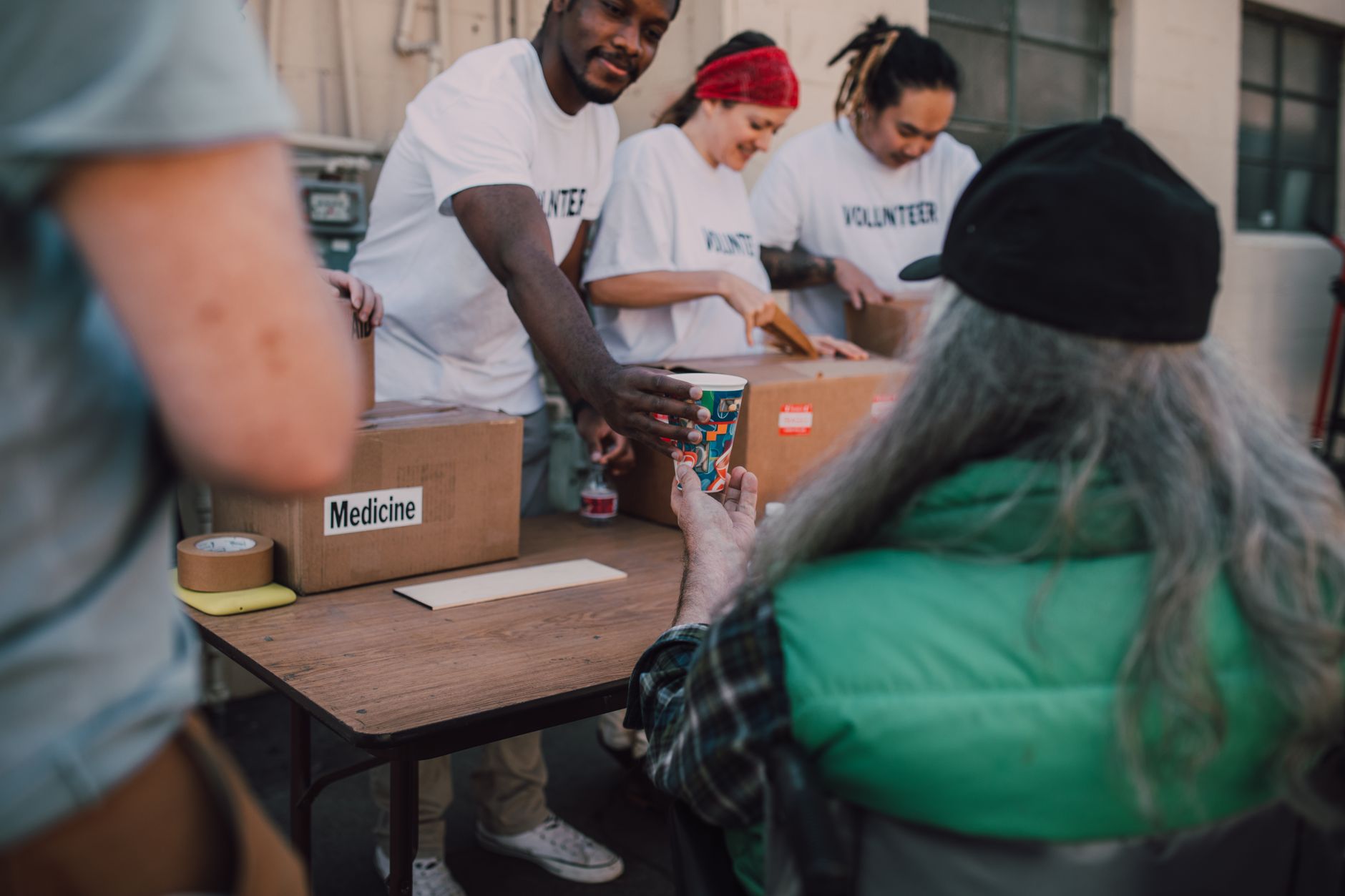
The largest single expense for most groups is not research but transport. Norfolk pain clinics sit in Norwich and King’s Lynn, both over an hour by bus from Colkirk. A volunteer driver scheme covering forty journeys a month costs about £480 in mileage at 45p per mile, and that line alone consumes a third of a small charity budget.
Helpline provision comes second. A trained telephone volunteer costs roughly £310 a year once you count DBS checks at £38, safeguarding training at £45 and supervision. Larger organisations answer 12,000 calls annually; county-level groups handle perhaps 400. Both matter, because the average wait for a formal diagnosis in the UK still stretches beyond two years.
Grant funds are the third pillar. Typical awards are small and practical: £75 towards a mobility perching stool, £120 for a two-month gym referral, £200 for adapted kitchen equipment. These micro-grants rarely appear in national press coverage, yet recipients consistently rate them as the most useful thing any organisation has ever given them.
Where the money comes from
Roughly 55 per cent of income arrives through community fundraising, 25 per cent from individual regular giving, 12 per cent from trusts and 8 per cent from legacies. That split explains why a single well-attended village event can shift a small charity’s entire year, and why organisers guard their summer calendar so carefully.
| Item funded | Typical cost (GBP) |
| Volunteer driver round trip to Norwich | £27 |
| Village hall hire, two-hour support group | £44 |
| Heated mattress topper grant | £60 |
| Perching stool and grab rail | £75 |
| Helpline volunteer, annual training | £310 |
Village fundraising that actually raises money
Colkirk-style events succeed when they attract people from outside the parish. A summer fun dog show on the playing field, with classes priced at £3 each and a £2 gate donation, drew 190 entries in 2025 and cleared £1,140 after rosettes and insurance. Compare that with a coffee morning, which typically nets £85.
Publicity is where organisers learn hard lessons. Parish social media posts perform three to ten times better when they name the breeds attending, because Norfolk buy-and-sell groups are saturated with searches like french bulldog puppy for sale and puppy french bulldog for sale. Riding that attention, ethically and without pretending to sell anything, brings unfamiliar faces onto the field.
The follow-through matters more than the footfall. Placing a card reader on the gate rather than a bucket lifted average donations from £2.10 to £4.60 per visitor. Adding a Gift Aid clipboard recovered a further £198 in reclaimed tax, which is nearly two months of helpline supervision paid for by paperwork alone.
Reading the classifieds without getting burned
Adverts phrased as puppy for sale french bulldog or french bulldog puppy for sale uk flood local feeds every spring, and a fraction are fraudulent. Fundraising pages get cloned in exactly the same way. Check the registered charity number on the Charity Commission register before transferring anything, whatever the cause.
Companion animals, chronic pain and realistic budgets
Support group members raise dogs constantly, because a routine walk enforces the gentle daily movement that pain consultants recommend. The catch is cost and physical demand. A brachycephalic breed needing frequent vet attention can undo the benefit for someone managing fatigue, so honest advice beats sentimentality every time.
Prices in East Anglia have fallen from their 2021 peak but remain steep. The french bulldog puppy price uk average now sits between £1,200 and £2,000 from a health-tested breeder, while a blue french bulldog puppy for sale is often advertised above £2,500 despite the colour carrying a recognised risk of follicular dysplasia.
Insurance and upkeep are the numbers people forget. Budget £45 a month for lifetime cover, £280 a year for food, and £600 or more for a caesarean or airway surgery. For anyone on Personal Independence Payment at the standard daily living rate of £73.90 a week, that arithmetic deserves a full evening before any deposit changes hands.
Search phrases and what they really signal
- english bulldog puppy for sale near me and puppy bulldog for sale near me: usually local intent, so ask to view the mother on site.
- british bulldog puppy for sale near me: the same breed under another name, often priced £300 higher.
- mini bulldog puppy for sale: an unregistered crossbreed with no fixed standard or predictable health profile.
- american bulldog puppy for sale near me: a large working dog needing 90 minutes of daily exercise.
- puppy french bulldog for sale uk: nationwide listings, the category with the highest reported scam rate.
Choosing an organisation worth your standing order
Start with the accounts. Any registered charity turning over more than £25,000 files annual figures publicly, and a healthy small group spends 80 to 88 per cent of income on charitable activity. Anything below 70 per cent deserves a polite question rather than an assumption of wrongdoing, since start-up years genuinely skew the ratio.
Ask what the group measures. Credible fibromyalgia charities report journeys driven, calls answered and grants issued, not vague reach figures. A Norfolk group telling you it made 312 support calls and paid 48 travel grants last year is far more accountable than one claiming to have touched thousands of lives.
Finally, weigh national against local. National bodies fund research, campaign on benefit assessments and produce clinician-facing guidance. County groups deliver the lift to the hospital door. Splitting £10 a month evenly between the two covers both the systemic fight and the immediate practical need in your own postcode.
Giving methods compared
Direct debit costs a charity around 20p per transaction; card platforms charge 1.4 per cent plus 20p, and some fundraising sites take 5 per cent. On a £120 annual gift the difference is roughly £6, which is a tank of fuel for a volunteer driver, so the payment route genuinely matters.
Frequently Asked Questions
How do I find a fibromyalgia support group near Colkirk?
Begin with your GP surgery noticeboard and the Fakenham community hub, both of which list current meeting times. Fibromyalgia Action UK maintains a searchable regional directory covering Norfolk, and most groups meet monthly in village halls between Dereham and Wells. Expect an informal format: eight to fifteen people, a £2 contribution towards hall hire and tea, and no obligation to speak. If travel is the barrier, several groups now run hybrid sessions over video, and the county volunteer driver scheme covers round trips for a suggested donation of £5 rather than the full £27 cost.
Is my donation to fibromyalgia charities tax deductible in the UK?
Individuals cannot deduct donations the way US taxpayers do, but Gift Aid achieves something similar. Tick the declaration and the charity reclaims 25p for every £1 you give, turning a £120 annual gift into £150 at no extra cost to you. If you pay higher-rate tax at 40 per cent, you can additionally claim the difference through self assessment, worth £30 on that same £120. Payroll giving is cleaner still, since contributions leave your salary before tax. Companies deduct donations from taxable profits entirely. You must have paid at least as much UK tax as the charity reclaims, otherwise HMRC recovers the shortfall from you.
What practical help can a small local charity realistically offer?
Expect concrete, modest assistance rather than clinical treatment. Typical provision includes transport to rheumatology and pain management appointments, a peer telephone line staffed three days a week, and micro-grants averaging £85 for heat therapy equipment, perching stools or bath boards. Many groups also provide trained volunteers to sit in on benefit assessments, which measurably improves outcomes at mandatory reconsideration stage. What they cannot do is prescribe, diagnose, fund private consultations costing £220 upwards, or expedite an NHS referral. Understanding that boundary before you contact them saves disappointment and lets volunteers direct limited hours towards the requests they can genuinely fulfil.
