
British Baking Recipes: A Norfolk Village Guide to Classic Bakes
British baking recipes have shaped village kitchens for generations, and in Colkirk the smell of a sponge cooling on a wire rack still marks a good afternoon. Most british baking recipes ask for four things — flour, fat, sugar and eggs — plus a set of scales and an oven you actually trust. That simplicity is why a Norfolk cook can produce scones for a fete on Saturday and a fruit loaf for the week ahead without a special shopping trip. This guide covers the bakes worth learning first, the tin sizes and oven temperatures that make them reliable, realistic ingredient costs in pounds, and how seasonal produce from a local plot changes what you make month to month. Expect specifics: 200°C for scones, 20cm sandwich tins for sponge, and the reason cold butter matters more than any expensive mixer.
Why Traditional Bakes Still Suit a Norfolk Kitchen
The appeal is economy. A twelve-scone batch costs roughly £1.20 in flour, butter and milk, against £3.50 or more for a supermarket pack of six. Traditional bakes were built for households watching every penny, which is why so many lean on plain flour, raising agents and whatever fruit was to hand.
Method matters more than equipment. Rubbing 50g of cold butter into 225g of self-raising flour by hand takes ninety seconds and gives a better crumb than a food processor, which warms the fat. Keep everything cold, handle the dough as little as possible, and bake hot and fast.
Regional variety keeps things interesting. Norfolk has its vinegar cake and Suffolk rusks; Yorkshire claims parkin, Cornwall the saffron bun, Wales the bakestone welsh cake. Working through great british baking recipes region by region turns a Sunday afternoon into a small geography lesson with a decent reward at the end.
The Store-Cupboard Shortlist
Stock these and you can bake on any given evening without a trip into Fakenham. The total outlay is modest — under £20 for a starter set that covers a dozen different bakes and keeps for months in sealed jars.
- Plain and self-raising flour, 1.5kg of each
- Unsalted butter in blocks, kept frozen and grated when needed
- Caster sugar and demerara for toppings
- Golden syrup, black treacle and mixed spice
- Sultanas, currants and glace cherries
Five Classic Bakes Worth Mastering First
Start with a Victoria sponge: 200g each of butter, caster sugar and self-raising flour, four eggs, split between two 20cm tins at 180°C for 22 minutes. Get that right and you understand creaming, folding and oven position, which underpin almost everything that follows.
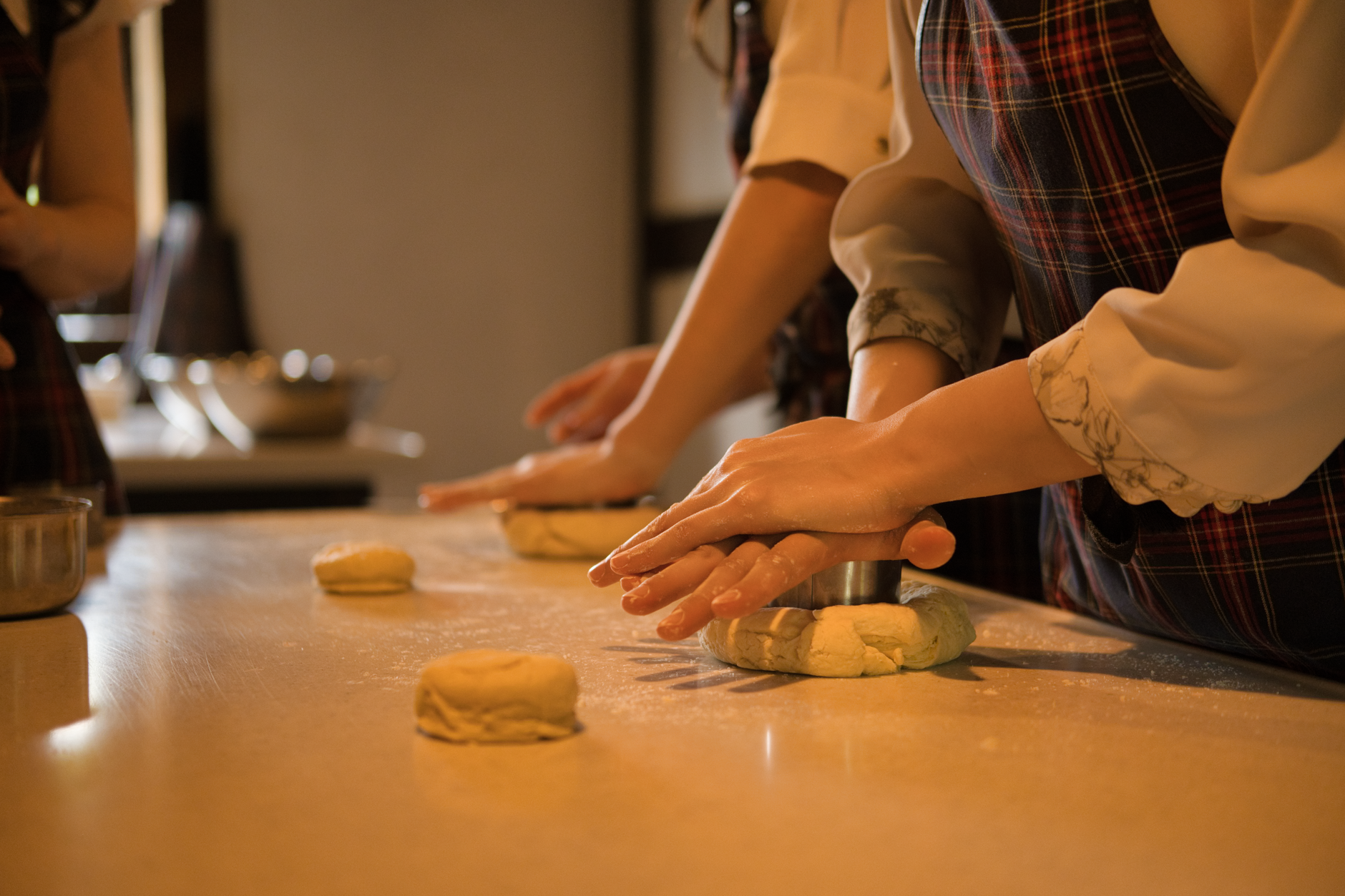
Scones come next: 225g self-raising flour, 50g butter, 25g sugar and 150ml milk, cut at 5cm and baked at 220°C for ten to twelve minutes. Then shortbread, at a three-two-one ratio of flour, butter and sugar, baked low at 150°C until pale sand-coloured rather than brown.
Bakewell tart and a boiled fruit loaf finish the set. The tart teaches blind-baking pastry at 200°C with beans; the loaf teaches you that simmering dried fruit in strong tea for ten minutes before mixing gives a moister crumb than any amount of extra butter.
| Bake | Tin or tray | Oven | Time | Rough cost |
|---|---|---|---|---|
| Victoria sponge | 2 x 20cm round | 180°C | 22 min | £2.40 |
| Scones (12) | Flat baking tray | 220°C | 11 min | £1.20 |
| Shortbread | 20cm square | 150°C | 40 min | £1.60 |
| Bakewell tart | 23cm fluted tin | 200°C then 180°C | 45 min | £3.10 |
| Boiled fruit loaf | 2lb loaf tin | 160°C | 75 min | £2.80 |
Seasonal Baking and UK Allotment Gardening
A plot changes the baking calendar completely. UK allotment gardening delivers rhubarb in April, gooseberries in June, blackcurrants in July and bramley apples by September, each pointing at a different bake. Half a rod, around 125 square metres, produces far more soft fruit than one household can eat fresh.
Costs stay low. An allotment in a Norfolk parish typically runs £25 to £45 a year, less than three punnets of shop-bought blackcurrants. Freeze fruit open on trays before bagging it and you can turn out a summer pudding or a crumble tart in February with no real loss of flavour.
The rhythm suits older recipes. Allotment gardening uk style — a few raised beds, a fruit cage, a shed — matches the way traditional cookbooks are organised, by month rather than by ingredient. Glut weeks push you toward jam, lemon curd and mincemeat, all of which feed the winter baking.
What to Grow for the Baking Calendar
Prioritise rhubarb crowns, two blackcurrant bushes and a gooseberry. Three crowns yield roughly 5kg a season, enough for a dozen crumbles. Skip anything that needs daily watering; a plot visited twice a week suits fruit far better than salad crops that bolt in a hot fortnight.
Bakes That Travel Well on Days Out
Flapjack, shortbread and a firm lemon tray bake survive a rucksack far better than a filled sponge. Cut into 5cm squares and wrapped in greaseproof, they hold their shape for hours, which is useful when the group is heading for the dog walking parks near me that fringe the north Norfolk coast.
Locals hunting for parks for dog walking near me tend to settle on Pensthorpe, Holkham or the Wensum meadows, all within twenty minutes of the village. A tin of parkin in the boot and a flask of tea turns a two-hour circuit into something closer to a proper outing.
Bakes also make sensible gifts when visiting travel destinations in uk regions beyond Norfolk. Shortbread posted in a rigid tin reaches Edinburgh or Cardiff intact, and a boiled fruit cake keeps for three weeks. Among the best uk travel destinations for bakers, Bath, Ludlow and Melton Mowbray reward a detour.
Ask ten villagers to name the best travel destinations uk offers and you get ten answers, from the Lake District to the Gower. Those comparing hays travel destinations from uk airports against a domestic week often find the coastal uk travel destinations cheaper once fuel and kennel fees are counted.
Kit, Costs and Home Office Setup Ideas for Recipe Notes
Anyone writing bakes up for a village newsletter needs somewhere to work. Practical home office setup ideas for a small cottage room start with a 120cm desk against the shortest wall, a monitor raised to eye level, and a decent task lamp — under £250 for the lot from most high-street retailers.
Keep a written log rather than trusting memory. Record tin size, shelf position, actual oven temperature and bake time for every attempt. After a dozen entries you will spot that your oven runs 15°C hot on the top shelf, which explains more failed batches than any recipe ever will.
The same folder tends to collect other village business: seed orders, hall bookings and the shortlist of travel destinations uk walking groups argue over each winter. A single A4 ring binder with plastic wallets costs about £8 and outlasts every note-taking app anyone in the parish has tried.
How Do I Stop My Scones Spreading Flat Instead of Rising?
Flat scones almost always come down to three things: temperature, handling and cutting. Butter must be fridge-cold and rubbed in quickly, because warm fat coats the flour and blocks the steam lift you need. Knead only until the dough just comes together, roughly ten seconds, then pat it out to a generous 2.5cm rather than rolling it thin. Press the cutter straight down and lift it straight up, since twisting seals the edges and stops the sides climbing. Finally, check your oven with a £6 thermometer. A stated 220°C that is really 190°C will produce pale, spreading discs every single time.
Is a Stand Mixer Necessary for British Baking Recipes?
No. A stand mixer speeds up creaming and saves your wrist on a large batch, but nothing in the classic repertoire depends on one. Scones, shortbread, pastry and rubbed-in fruit cakes are all better done by hand, because machines warm the fat and toughen the crumb. A £15 wooden spoon and a £6 balloon whisk will carry you through most british baking recipes comfortably. Where a mixer genuinely earns its £150 to £400 price is enriched bread dough, meringue in quantity, and repeat baking for fetes or markets. Buy scales accurate to one gram first, around £12, because weighing errors ruin more bakes than mixing method ever does.
What Is the Best Way to Store a Fruit Cake So It Stays Moist?
Wrap it properly and keep it cool. Once the cake is completely cold, wrap it in a double layer of greaseproof paper, then foil, and store it in an airtight tin somewhere between 10°C and 18°C — a pantry or north-facing cupboard rather than a shelf beside the oven. Never let foil touch the surface directly, because acidic fruit reacts with aluminium and leaves grey patches. If the recipe allows alcohol, spoon over a tablespoon of brandy every fortnight for the first couple of months. Stored this way a rich fruit cake improves for three months and stays edible for a year, while a lighter boiled loaf keeps about three weeks.
