
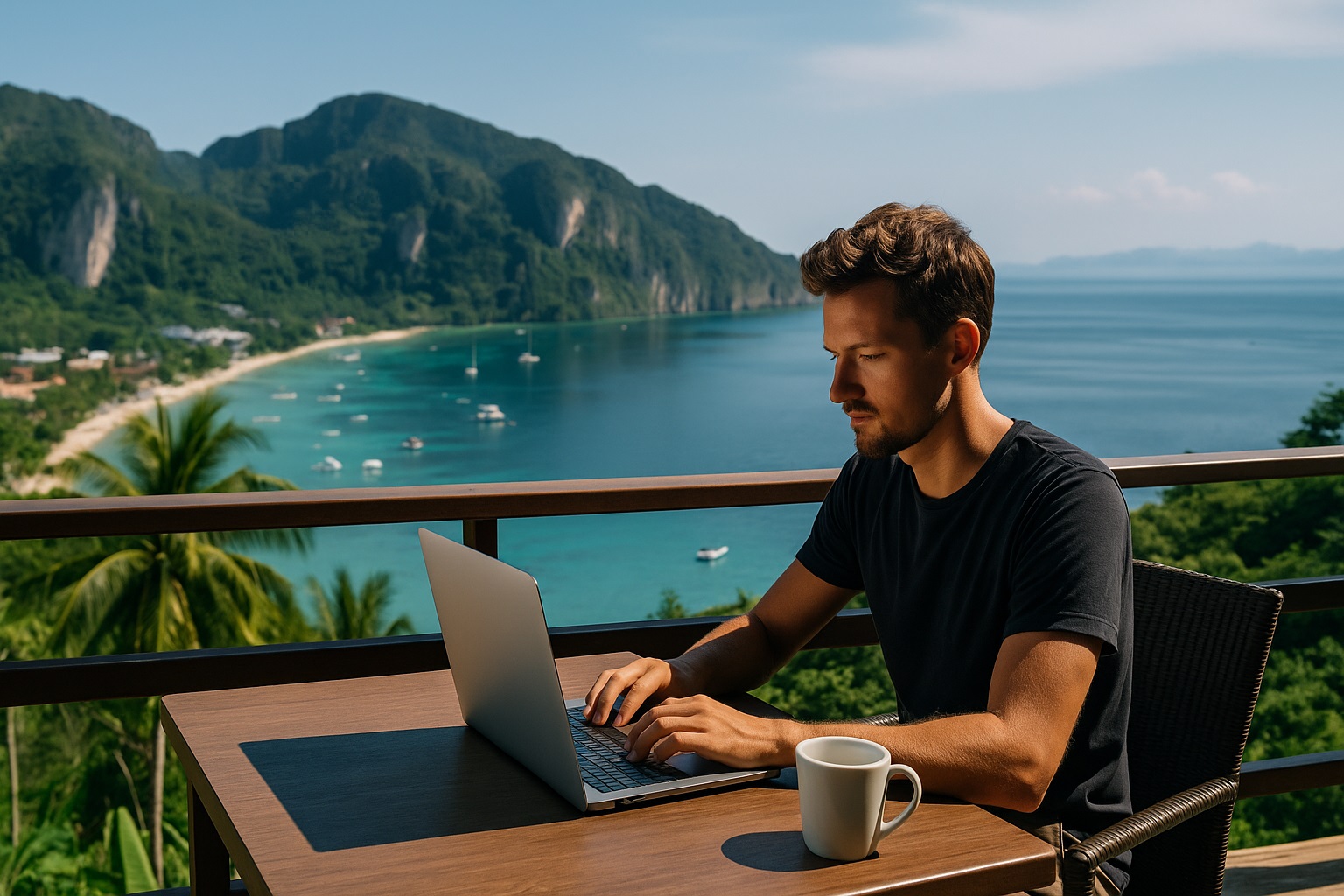
The ability to work from anywhere has turned a once niche lifestyle into a mainstream aspiration. Digital nomadism, once the domain of travel bloggers and freelancers, is now a viable path for designers, developers, consultants, and corporate professionals. As remote work becomes normalized, more people are questioning what “home” means — and many are choosing to take their lives on the road. The rise of co-living hubs, visa programs for remote workers, and app-based global communities is fueling a movement that blends productivity, adventure, and freedom in ways that challenge traditional structures.
Working from paradise, living with intention
For the new generation of nomads, travel is not just a break from routine — it is the routine. From Lisbon to Chiang Mai, Medellín to Bali, digital workers are setting up shop in destinations that offer not only beauty and affordability, but strong internet and vibrant communities. Coworking cafés replace offices, sunrise hikes replace commutes, and lunch breaks often involve cultural discovery. Yet beneath the surface of beach photos and laptop selfies lies a more intentional lifestyle. Nomads often prioritize simplicity, mobility, and mindfulness. With fewer belongings and fewer attachments, many find they can focus better — not just on work, but on living deliberately and staying present.
Infrastructure and support networks for a mobile life
Countries are increasingly recognizing the value of hosting remote workers, offering long-stay visas and remote work permits. These programs often include tax incentives, simplified bureaucracy, and even community integration events. Meanwhile, global platforms now help nomads find short-term housing, connect with local professionals, or join curated retreat-style coworking environments. Cities that embrace digital nomads benefit from an influx of skilled professionals who contribute economically without taking traditional jobs. But infrastructure is key: reliable Wi-Fi, safe transport, and inclusive digital services are what make a destination truly “remote-ready.” For nomads, choosing a place to live is no longer about where they were born — it’s about where they can thrive.
Challenges behind the freedom
Despite the allure, nomad life isn’t without its drawbacks. Loneliness, visa complications, inconsistent income, and lack of stability can weigh heavily. Relationships are often short-lived or long-distance. Time zones complicate meetings and collaboration. There’s also an ethical consideration: how nomads interact with local economies and cultures. Sustainable digital nomadism involves respecting local customs, avoiding gentrification, and contributing meaningfully to the places visited. As the lifestyle becomes more accessible, the focus is shifting from escapism to balance — a model of life where movement is not the goal, but a tool to design a life aligned with values.
