
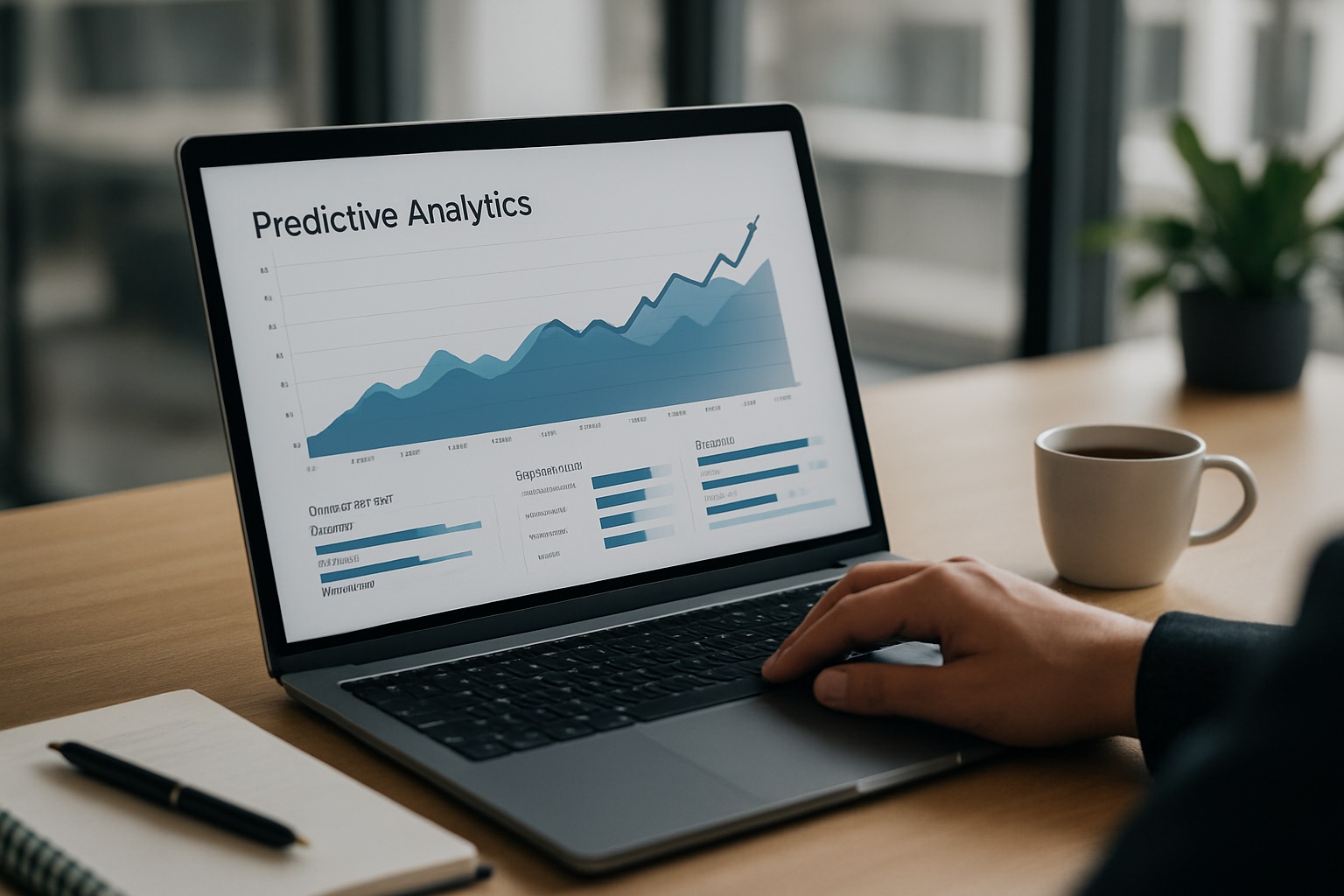
In a world flooded with data, the ability to predict what consumers will do next has become one of the most valuable competitive advantages in marketing. Predictive analytics — the practice of using historical data, statistical models, and machine learning to forecast future outcomes — is transforming how brands plan, communicate, and make decisions. No longer a niche tool for data scientists, it’s becoming a strategic asset for marketers across industries who seek to act not reactively, but proactively.
From historical patterns to actionable insight
At the heart of predictive analytics is the idea that past behavior contains clues about future actions. By analyzing customer journeys, purchase histories, engagement patterns, and external factors like seasonality or economic trends, businesses can anticipate what their audience is likely to do next — whether it’s clicking an ad, abandoning a cart, or churning from a subscription. This shift from generic to individualized forecasting allows for smarter segmentation and more precise targeting. Instead of blasting promotions across all channels, marketers can now direct efforts toward customers who show the highest probability of conversion. As a result, campaigns become more efficient, cost-effective, and contextually relevant.
Personalization at scale and the rise of automation
One of the most compelling applications of predictive analytics is its role in scaling personalization. AI-powered recommendation engines, real-time content adjustment, and dynamic email sequencing are all built on predictive models that continuously refine themselves. A brand can now predict not only what a customer might want next, but when and how to present it. Timing and tone, once gut-driven decisions, are now guided by data. This doesn’t eliminate creativity — instead, it enhances it by giving marketers better timing and targeting. Predictive tools also drive automated bidding in digital advertising, helping teams optimize spend without human oversight. The combination of machine learning and marketing intuition is not a replacement, but a partnership — where algorithms handle complexity and humans provide context.
Ethics, transparency, and the limits of prediction
As predictive analytics becomes more embedded in marketing strategy, it raises important ethical considerations. Predicting behavior means collecting and analyzing vast amounts of personal data, which requires robust privacy safeguards and transparency with users. Misuse — or even overuse — of predictive tools can lead to targeting fatigue, erosion of trust, or accusations of manipulation. Marketers must balance the power of prediction with responsibility, ensuring that personalization remains helpful, not invasive.
There’s also a danger in over-relying on patterns: predictive models are only as good as the data they’re trained on, and they often struggle to account for outliers, disruptions, or changing cultural sentiment. The most effective strategies combine the predictive with the human, blending analytics with empathy and creativity to craft campaigns that not only perform well, but feel authentic.
