
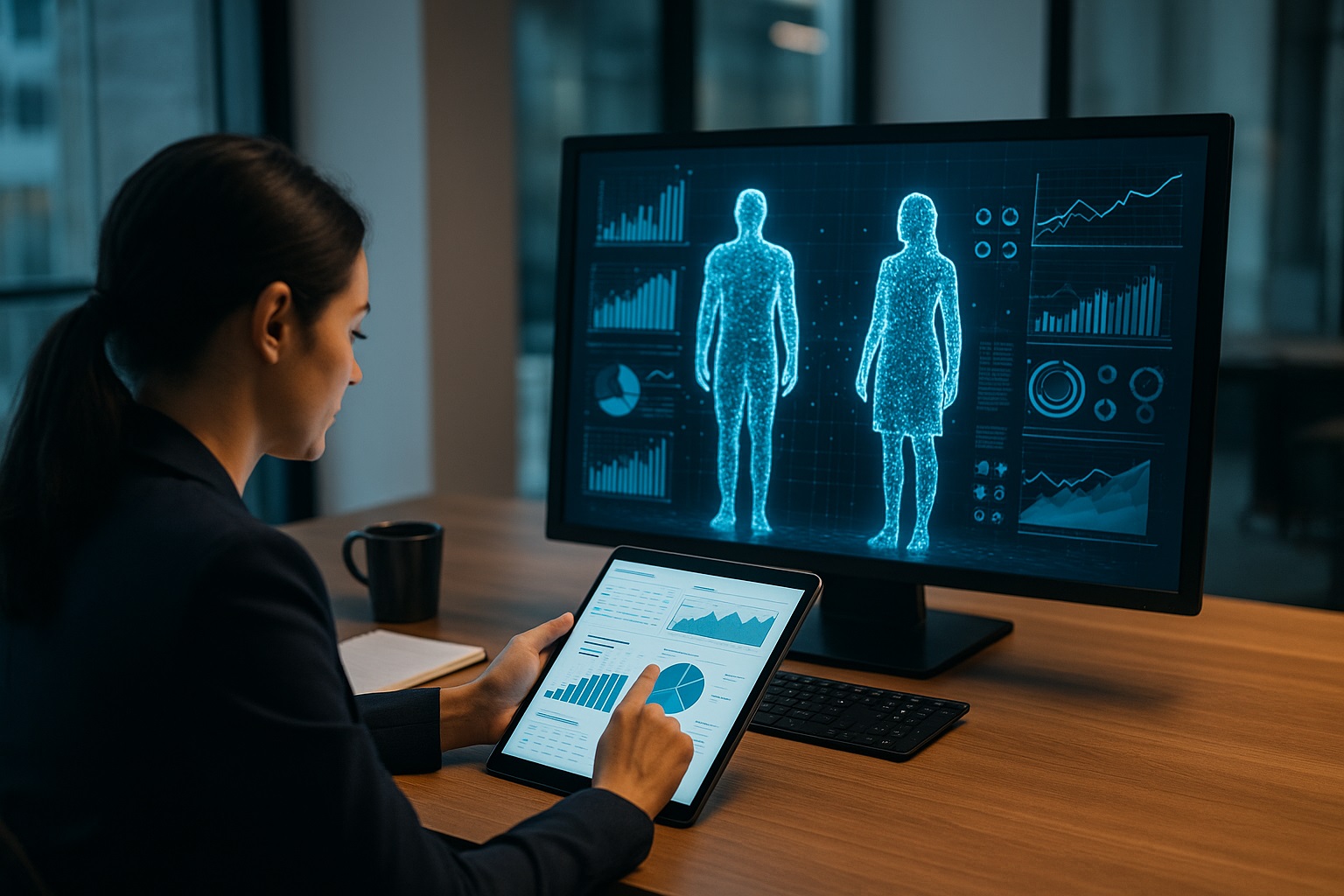
Digital twin technology, once limited to manufacturing and engineering, is now making waves in marketing. A digital twin is a virtual replica of a physical object, process, or — in this case — consumer profile, powered by real-time data and predictive modeling. In marketing, digital twins are used to simulate customer behavior, test campaign strategies, and optimize product interactions before they happen in the real world. As personalization becomes more precise and competition intensifies, brands are turning to these virtual models to better understand not just who their customers are, but what they’re likely to do next.
From static personas to living models
Traditional marketing personas are static: marketers build them from survey data, assumptions, and general trends. Digital twins, by contrast, are dynamic. They’re fed by real-time data from multiple sources — browsing behavior, purchase history, device usage, geolocation, and even biometric feedback. These virtual profiles evolve alongside the consumer, reflecting changes in interest, motivation, or context. By simulating different campaign messages, UI changes, or price points within a digital environment, brands can predict how specific customers (or customer segments) will react — all before launching anything publicly. This reduces guesswork, cuts cost, and improves the chances of success.
Testing the future without real-world risk
One of the biggest advantages of using digital twins is their ability to run “what-if” scenarios. What if we introduce a new feature tomorrow? What if we raise the price by 5%? What if we remove a friction point in the checkout flow? Marketers can test each of these variables in the twin environment, observing outcomes without affecting real users. This type of simulation, powered by AI and machine learning, enables proactive rather than reactive decision-making. It also gives creative teams more confidence — freeing them to experiment, iterate, and scale innovations that would be too risky to test live.
Challenges of ethics, privacy, and accuracy
Despite its promise, digital twin marketing raises important concerns. Building accurate, constantly updating consumer models requires access to enormous amounts of personal data. This brings questions of consent, privacy, and ethical targeting to the forefront. If a brand can simulate a customer’s behavior well enough to influence it before they’re even aware of their need — where is the boundary between service and manipulation? Moreover, while the models may be powerful, they’re only as good as the data behind them. Poor data hygiene or bias in training sets can lead to flawed predictions and alienating experiences. Marketers embracing this technology must do so transparently and responsibly, ensuring their simulations serve people — not exploit them.
