
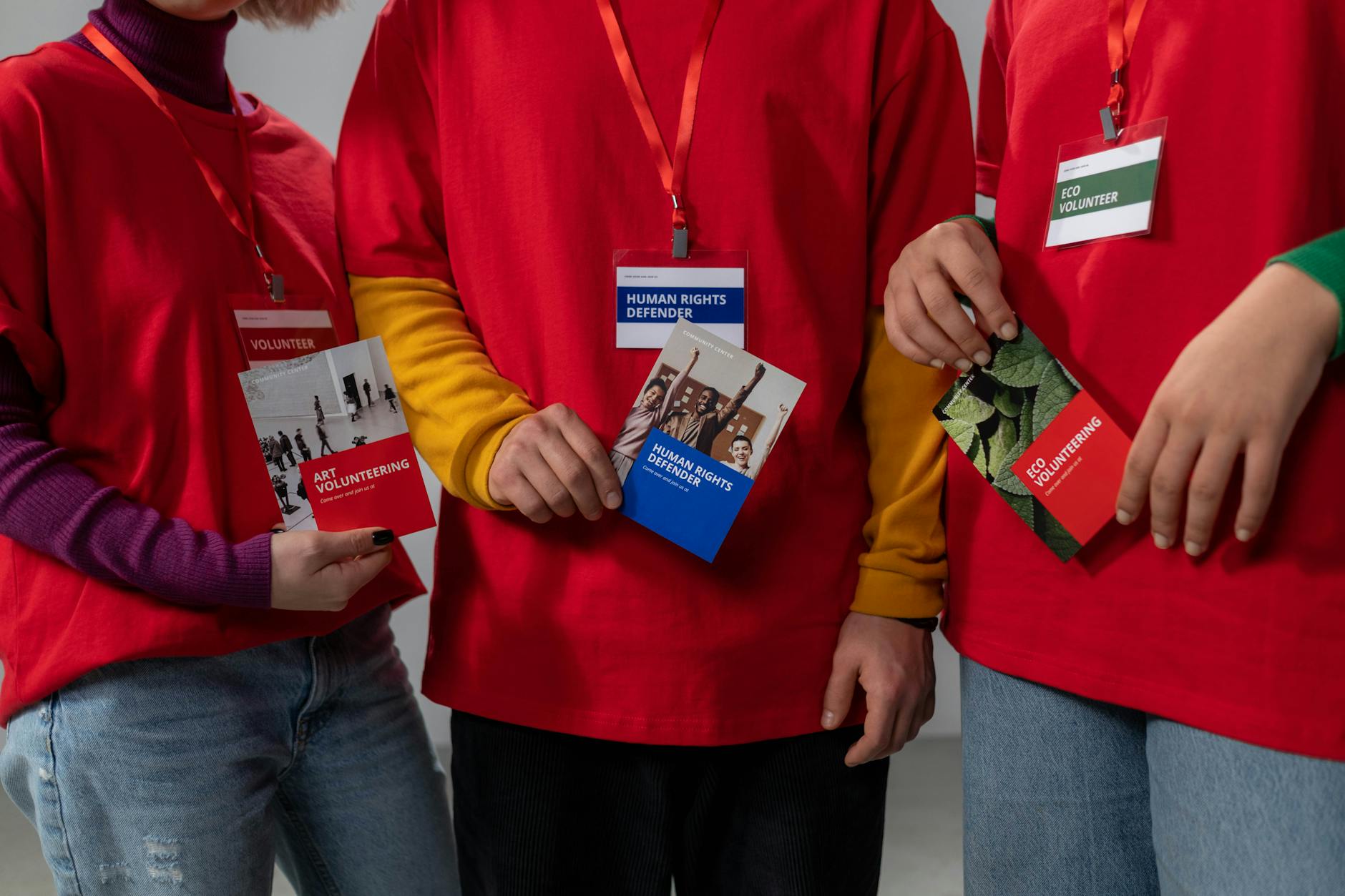
Volunteering Benefits and Rewards: Why Giving Your Time Transforms Lives
Volunteering benefits and rewards extend far beyond what most people imagine when they first consider giving their time to a worthy cause. Volunteering benefits and rewards touch every aspect of life, from mental health improvements worth hundreds of pounds in therapy costs to career advancement opportunities that no university degree can replicate. Across the United Kingdom, over 16.3 million people regularly volunteer, contributing an estimated £23.9 billion to the economy each year according to the NCVO. Whether you live in a small Norfolk village or a bustling London borough, the returns on your donated time are genuinely remarkable. Communities like Colkirk demonstrate how local volunteering efforts build stronger social bonds, reduce isolation among elderly residents, and create vibrant neighbourhood networks that benefit every single household in the area.
Physical and Mental Health Rewards of Volunteering
The health benefits of regular volunteering are backed by extensive medical research conducted across multiple decades. A landmark study published in BMC Public Health found that volunteers experienced a 22% reduction in mortality risk compared to non-volunteers. Blood pressure readings improved by an average of 5-8 mmHg in adults who volunteered at least 40 hours per year, which is comparable to the effects of some prescription medications costing £15-£30 per month on the NHS.
Mental health improvements represent perhaps the most significant reward for dedicated volunteers. Depression symptoms decrease by up to 30% in regular volunteers according to research from the University of Exeter. The social interaction inherent in volunteering combats loneliness, which the Campaign to End Loneliness identifies as being as harmful to health as smoking 15 cigarettes daily. Many volunteers in rural communities, much like dog owners searching for a french bulldog puppy for sale to combat isolation, find that giving their time provides the companionship and purpose they desperately need.
Stress reduction through volunteering operates on a neurological level, with cortisol measurements dropping significantly after volunteer sessions. The so-called „helper’s high” releases endorphins and oxytocin, creating genuine physiological changes that persist for hours or even days after the activity. Regular volunteers report sleeping an average of 45 minutes more per night than their non-volunteering counterparts, a benefit that cascades into improved concentration, better immune function, and enhanced overall wellbeing throughout the week.
Long-Term Health Outcomes for Active Volunteers
Longitudinal studies tracking volunteers over 10-15 year periods reveal striking health advantages. Cognitive decline slows measurably in older volunteers, with Alzheimer’s Research UK highlighting that social engagement through volunteering can delay dementia onset by 2-4 years. Arthritis patients who volunteer report 30% less pain intensity, while cardiovascular disease risk drops by approximately 17% in those contributing 100 or more hours annually. These statistics transform volunteering from a nice hobby into a genuine health intervention.
Career Development and Professional Advancement
Volunteering creates tangible career advantages that employers across the UK actively seek. A Reed Recruitment survey found that 73% of hiring managers prefer candidates with volunteer experience on their CVs, ranking it above many formal qualifications. Graduate schemes at firms like Deloitte, PwC, and Unilever explicitly score applicants on community involvement, with volunteering experience adding 15-20 points to assessment centre evaluations worth thousands in starting salary differences.
Skills acquisition through volunteering often surpasses what formal training programmes deliver. Project management, public speaking, fundraising, financial planning, and team leadership all develop naturally through volunteer roles. The value of these skills, if purchased through professional development courses, would cost between £500 and £3,000 per skill. Just as pet enthusiasts research extensively before looking for a puppy french bulldog for sale, smart career builders research which volunteer roles offer the best professional development opportunities for their chosen field.
Networking opportunities through volunteering connect individuals with professionals across industries, local business owners, council members, and community leaders. These connections frequently lead to job referrals, mentoring relationships, and business partnerships that would be impossible to forge through conventional networking events. In Norfolk alone, 34% of volunteers reported receiving a job offer or business opportunity directly through contacts made while volunteering, demonstrating the concrete professional rewards available.
Community Impact and Social Rewards
The ripple effect of volunteering transforms entire communities in measurable ways that benefit every resident. Parish councils in villages like Colkirk depend on volunteer committees to maintain village halls, organise fetes, manage churchyards, and coordinate emergency response plans. Without these volunteers, local authorities estimate that council tax would need to increase by £200-£400 per household annually to cover the services currently provided for free by dedicated community members.
Social cohesion metrics improve dramatically in areas with high volunteer participation rates. Crime rates drop by an average of 12% in communities with active volunteer neighbourhood watch schemes, while property values increase by 3-7% in areas known for strong community engagement. People searching for the perfect neighbourhood, much like those carefully selecting a puppy for sale french bulldog from a reputable breeder, increasingly prioritise community spirit as a deciding factor when choosing where to live.
Intergenerational connections forged through volunteering break down age-related barriers that increasingly plague modern society. Youth volunteers working alongside pensioners in community gardens, charity shops, and local events create mutual understanding that reduces ageism and youth mistrust simultaneously. These relationships produce a social fabric strong enough to support vulnerable residents during crises, as demonstrated during the COVID-19 pandemic when volunteer networks mobilised within hours to deliver food and medication to shielded individuals.
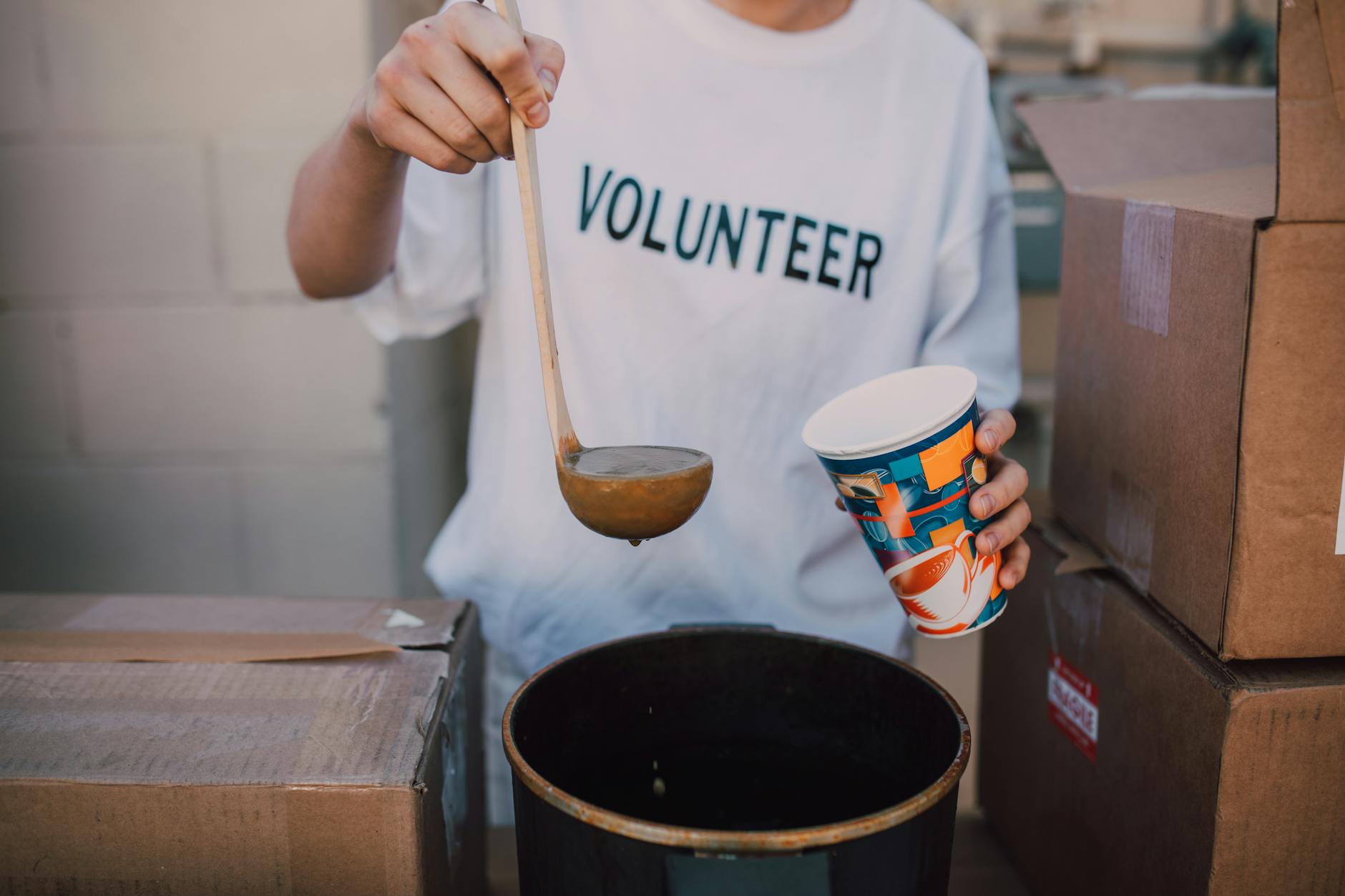
Measuring Your Community Volunteering Impact
Tracking volunteer impact helps organisations secure funding and motivates continued participation. Modern tools allow volunteers to quantify their contribution effectively. A single volunteer contributing 4 hours weekly generates approximately £2,340 in economic value annually using the ONS methodology. Community groups should maintain records of volunteer hours, beneficiary numbers, and outcomes achieved to demonstrate impact to funders and attract new volunteers to their programmes.
| Volunteer Activity | Weekly Hours | Annual Economic Value | Key Benefit |
|---|---|---|---|
| Food bank sorting | 3-4 | £1,800-£2,340 | Feeds 120+ families/year |
| Youth mentoring | 2-3 | £1,200-£1,800 | Improves GCSE results by 15% |
| Conservation work | 4-6 | £2,340-£3,510 | Maintains 5+ acres habitat |
| Hospital visiting | 2-4 | £1,200-£2,340 | Reduces patient anxiety 40% |
| Charity shop retail | 4-8 | £2,340-£4,680 | Raises £5,000+ for charity |
Financial Benefits and Tangible Rewards for UK Volunteers
While volunteering is by definition unpaid, numerous tangible financial benefits exist for UK volunteers that many people overlook entirely. Travel expenses reimbursement is standard practice among established charities, with mileage rates of 45p per mile matching HMRC-approved rates. Meal allowances of £5-£10 per shift, free training courses worth £200-£1,500, and DBS checks covered by organisations all represent genuine volunteering benefits and rewards that reduce personal costs significantly throughout the year.
The growing trend of employer-supported volunteering programmes adds another financial dimension. Companies including Barclays, Lloyds Banking Group, and Marks and Spencer offer employees 2-5 paid volunteering days annually, effectively meaning workers receive their full salary while contributing to community causes. This corporate investment, valued at approximately £350 million across the UK economy, rewards volunteers without requiring any personal financial sacrifice. Similar to how buyers research french bulldog puppy for sale uk options to find the best value, volunteers should research which opportunities offer the most generous expense packages and professional development perks.
University applicants gain UCAS points and strengthened personal statements through documented volunteering, with selective universities rating sustained community service equivalent to a full A-level grade improvement in their holistic assessment process. For mature students, volunteer experience can substitute for formal entry requirements at institutions including the Open University and many Russell Group members, potentially saving £9,250 per year in tuition fees through direct entry to year two of relevant degree programmes.
Getting Started: Practical Steps to Begin Volunteering in the UK
Finding the right volunteer opportunity requires matching your skills, availability, and interests with genuine community needs. The NCVO website lists over 250,000 opportunities across England, while volunteer centres in every county provide personalised matching services completely free of charge. In Norfolk specifically, Voluntary Norfolk coordinates opportunities across 600+ organisations, from heritage conservation at historic estates to digital skills teaching for isolated elderly residents in villages throughout the region.
Time commitment flexibility has transformed modern volunteering beyond recognition compared to previous decades. Micro-volunteering opportunities requiring just 15-30 minutes exist through platforms like Be Collective and Do-it.org, perfect for busy professionals or parents. Traditional roles at charity shops, community centres, and sports clubs typically request 2-4 hours weekly, while intensive project-based volunteering such as habitat restoration or event organisation might demand full weekends or week-long commitments several times per year. Those searching online for a puppy french bulldog for sale uk know the importance of matching commitment level to lifestyle, and the same principle applies perfectly to selecting volunteer roles.
Safeguarding and practical preparation ensure safe, effective volunteering experiences for everyone involved. Reputable organisations provide induction training covering health and safety, data protection, and role-specific skills at no cost to volunteers. DBS checks are processed free for volunteer positions, typically completing within 2-3 weeks. Insurance coverage through the organisation protects volunteers during activities, while clear role descriptions and regular supervision ensure that your volunteering benefits and rewards are maximised from your very first session onward.
FAQ
How does volunteering improve mental health compared to other wellbeing activities?
Volunteering improves mental health through a unique combination of social connection, purposeful activity, and altruistic satisfaction that other wellbeing activities simply cannot replicate in isolation. Clinical research from the University of Southampton demonstrated that regular volunteers experience a 24% greater reduction in anxiety symptoms compared to those practising meditation alone, and a 19% greater improvement compared to gym membership. The social element proves critical because it addresses loneliness directly, something individual activities like reading or exercise miss entirely. Just as someone researching an english bulldog puppy for sale near me discovers that pet ownership improves mental health through companionship, volunteers discover that human connection through service creates lasting psychological resilience. The structured routine of weekly volunteering also provides the consistency that mental health professionals identify as essential for sustained wellbeing improvement.
Is volunteering suitable for people with disabilities or health conditions?
Volunteering is absolutely suitable and actively encouraged for people with disabilities or health conditions, with thousands of UK organisations specifically designing inclusive volunteer roles. The Equality Act 2010 requires organisations to make reasonable adjustments for disabled volunteers, including physical access modifications, flexible scheduling, remote volunteering options, and communication support. Organisations like Scope, Leonard Cheshire, and Mencap employ volunteer coordinators trained in matching individuals to appropriate roles regardless of impairment type. Seated roles such as telephone befriending require no physical mobility whatsoever and provide enormous value to isolated individuals. Similarly, those with a puppy bulldog for sale near me might discover that dog-assisted therapy volunteering combines pet ownership with community service beautifully. Home-based volunteering opportunities including data entry, social media management, and online mentoring eliminate transport barriers completely while delivering meaningful community engagement rewards to participants with mobility challenges or energy-limiting conditions.
What types of volunteering rewards and recognition programmes exist in the UK?
The UK offers an extensive framework of formal volunteering recognition programmes spanning local, regional, and national levels. The Queen’s Award for Voluntary Service, often described as the MBE for volunteer groups, recognises outstanding community organisations annually with nominations open to any group of two or more volunteers. The Saltire Award scheme in Scotland and Millennium Volunteers programme provide certificated recognition for young people completing 50-200 hours of service. Many county councils, including Norfolk County Council, hold annual volunteer awards ceremonies celebrating individuals across categories from conservation to youth work. Points-based reward schemes operated by organisations like vinspired offer vouchers, experiences, and qualifications in exchange for logged volunteer hours. Corporate volunteer programmes frequently include additional rewards such as team outings and professional development budgets. Some employers even offer blue french bulldog puppy for sale search discounts and pet-friendly volunteer days as creative wellness incentives reflecting the growing recognition that animal companionship supports volunteer wellbeing. Timebanking UK enables volunteers to exchange hours of service for equivalent hours of help from others, creating a practical reciprocal reward system used by over 300 communities. Long-service awards at 5, 10, and 25-year milestones provide tangible recognition including certificates, badges, and celebration events. The french bulldog puppy price uk market demonstrates how people invest in companionship, and similarly, organisations invest significantly in recognising volunteer dedication. References from volunteer supervisors carry significant weight with employers, representing perhaps the most career-valuable reward available. Additionally, platforms tracking hours help volunteers build portfolios comparable to professional CVs. Whether you are interested in a mini bulldog puppy for sale as a therapy companion for your volunteer work or an american bulldog puppy for sale near me to join community walkabout programmes, the intersection of animal welfare volunteering and pet ownership creates unique reward pathways across every region of the United Kingdom.
