
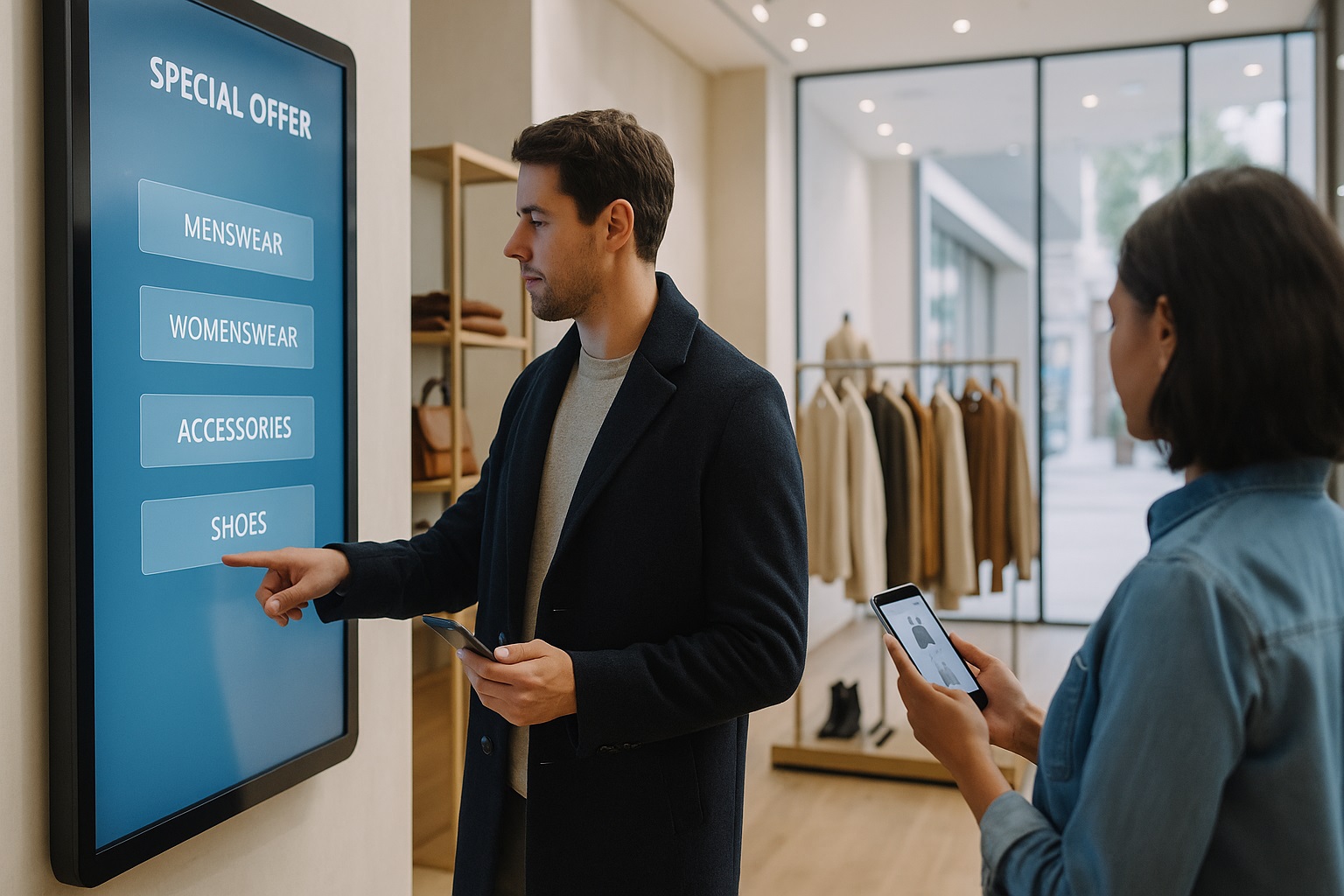
As the boundaries between online and offline experiences continue to blur, a new paradigm is taking shape in the marketing world: phygital. Combining “physical” and “digital,” phygital marketing leverages the strengths of both realms to create seamless, immersive, and engaging brand interactions. It’s not about replacing one with the other — it’s about blending them in ways that are more intuitive, personalized, and human-centered than ever before.
Enhancing in-store experiences with digital intelligence
Retail is one of the most visible arenas for phygital transformation. Brick-and-mortar locations are no longer just about shelves and checkouts — they are becoming sensory-driven environments enhanced by data and connectivity. Smart mirrors let customers virtually try on clothes, while beacons and mobile apps guide shoppers through personalized product recommendations. QR codes bring static packaging to life, revealing videos, offers, or interactive AR content. What makes phygital effective is not just the tech itself, but the way it removes friction: customers move fluidly between browsing and buying, between physical touch and digital assistance, creating a sense of control and convenience that was once reserved for purely online shopping.
Building loyalty through hybrid engagement
Beyond retail, brands are embracing phygital strategies to deepen emotional engagement. Experiential marketing events now include digital extensions that let participants share, personalize, or relive their experiences long after the event ends. Loyalty programs combine physical visits with app-based tracking, rewarding real-world behavior with digital perks. Even packaging is evolving — scannable codes offer post-purchase experiences like tutorials, gamified rewards, or access to online communities. This dual presence makes the brand feel more consistent and present across every touchpoint. Importantly, phygital also allows for better measurement — brands can now track offline interactions as part of the broader customer journey, gaining insights that were previously invisible.
Designing for a seamless future
Phygital marketing demands more than just tools — it requires a shift in mindset. Rather than thinking in terms of campaigns or channels, marketers must design for ecosystems. Every interaction, whether in-store, online, or somewhere in between, should feel like part of a cohesive narrative. This means aligning tone, timing, and technology across departments and disciplines. It also calls for sensitivity to data privacy, accessibility, and user comfort — especially as biometric and location data become more common in shaping real-time experiences. Done right, phygital marketing doesn’t feel futuristic or flashy. It feels natural. It speaks to people where they are, how they move, and what they value — creating not just conversions, but genuine connection.
